Metabolism of Carbohydrates
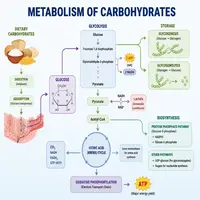
Every meal that contains bread, rice, fruit, or sugar sets off a chain reaction inside the body. Cells break these molecules apart, extract energy, and store any leftovers for later use. This entire process keeps muscles moving, brains thinking, and organs functioning around the clock. In this guide, we walk through the metabolism of carbohydrates in plain language, using a table and flowchart to make each step easier to picture. Whether you’re studying for an exam or simply curious about your own body, this breakdown should make the topic feel far less intimidating.
Because this process touches nearly every organ system, understanding it also helps explain conditions like diabetes and hypoglycemia. Therefore, we cover both the normal pathway and what happens when things go wrong.
Digestion: Where It All Begins
Before any energy release can happen, large carbohydrate molecules must break into smaller, usable pieces. This breakdown starts in the mouth and continues through the small intestine.
The main digestive steps include:
| Location | Enzyme Involved | Action |
|---|---|---|
| Mouth | Salivary amylase | Begins breaking starch into smaller chains |
| Stomach | None active | Amylase activity pauses due to acidity |
| Small intestine | Pancreatic amylase | Continues breaking starch into maltose |
| Intestinal wall | Maltase, lactase, sucrase | Splits sugars into glucose, fructose, galactose |
Once broken down fully, these simple sugars pass through the intestinal wall into the bloodstream. Glucose absorbs quickly, while fructose and galactose travel to the liver for conversion. Meanwhile, blood glucose levels begin rising almost immediately after a carbohydrate-rich meal.
Additionally, insulin release starts around this same time. This hormone signals cells throughout the body to absorb glucose from the blood, preventing levels from climbing too high.
Glycolysis: Breaking Down Glucose
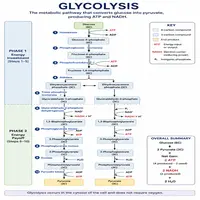
Once inside a cell, glucose undergoes a ten-step breakdown process called glycolysis. This pathway splits one glucose molecule into two molecules of pyruvate, releasing a small amount of usable energy along the way.
The flowchart below shows the basic sequence.
Glucose Enters the Cell
        |
        v
Glycolysis (10 enzymatic steps)
        |
        v
Two Pyruvate Molecules Formed
        |
        v
Oxygen Available?
   /              \
 Yes                No
  |                   |
  v                   v
Enters Mitochondria   Converts to Lactate
(Aerobic Pathway)     (Anaerobic Pathway)
Notably, glycolysis itself does not require oxygen, which is why muscles can still produce some energy during intense exercise. However, this anaerobic route produces far less energy overall and leads to lactate buildup, which contributes to muscle fatigue.
In contrast, when oxygen is available, pyruvate moves into the mitochondria for a much more efficient energy-extraction process. This is where the real energy payoff happens.
Aerobic Respiration and Energy Yield
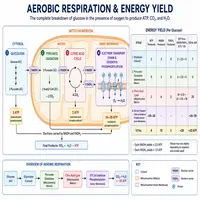
Inside the mitochondria, pyruvate converts into a molecule called acetyl-CoA. This molecule then enters the citric acid cycle, also known as the Krebs cycle, followed by the electron transport chain.
Together, these later stages of the metabolism of carbohydrates generate the vast majority of usable cellular energy. A single glucose molecule can yield roughly thirty to thirty-two ATP molecules when oxygen is fully available, compared to just two ATP from glycolysis alone.
Key stages include:
- Pyruvate oxidation – converts pyruvate into acetyl-CoA, releasing carbon dioxide.
- Citric acid cycle – extracts high-energy electrons through a series of reactions.
- Electron transport chain – uses those electrons to generate large amounts of ATP.
- Oxidative phosphorylation – the final step where most ATP molecules form.
Consequently, cells with high energy demands, such as heart and brain cells, contain especially large numbers of mitochondria. This allows them to rely heavily on aerobic pathways rather than the less efficient anaerobic route.
Storage and Regulation
Not every glucose molecule gets used immediately. Excess amounts convert into glycogen, a storage form kept mainly in the liver and muscles. This conversion process, called glycogenesis, allows the body to bank energy for later.
When blood sugar drops, the reverse process kicks in. Glycogenolysis breaks glycogen back down into glucose, releasing it into the bloodstream as needed. Meanwhile, if glycogen stores run low, the liver can also produce new glucose from non-carbohydrate sources through gluconeogenesis.
Two hormones control most of this balancing act:
- Insulin – lowers blood glucose by promoting uptake and glycogen storage.
- Glucagon – raises blood glucose by triggering glycogen breakdown.
Together, these hormones keep blood sugar within a fairly narrow, stable range throughout the day. Similarly, adrenaline can trigger rapid glycogen breakdown during stress or exercise, providing a quick energy boost when needed most.
When the Process Goes Wrong
Several conditions disrupt this normally smooth pathway. Diabetes remains the most common example, occurring when insulin production fails or cells stop responding properly to it. As a result, glucose builds up in the blood instead of entering cells for use.
Other disruptions include:
- Hypoglycemia – blood sugar drops too low, often from excess insulin or prolonged fasting.
- Glycogen storage diseases – rare genetic conditions affecting glycogen breakdown or formation.
- Lactic acidosis – excessive lactate buildup, sometimes linked to intense exercise or certain illnesses.
Ultimately, most of these disruptions trace back to a breakdown somewhere within this same interconnected system. Recognizing where the process fails often guides both diagnosis and treatment.
Conclusion
The metabolism of carbohydrates powers nearly everything the body does, from a quick sprint to a long night of studying. Digestion breaks food down, glycolysis extracts an initial burst of energy, and aerobic respiration finishes the job with a much larger payoff. Meanwhile, storage and hormonal regulation keep blood sugar steady between meals. Understanding this pathway not only helps with exams but also sheds light on real health conditions like diabetes and hypoglycemia. Once the steps click into place, the whole process starts to feel a lot less complicated than it first appears.
Frequently Asked Questions
Its main purpose is converting food-based sugars into usable energy, while also storing any excess for later use as glycogen.
Oxygen allows pyruvate to enter the mitochondria for aerobic respiration, which produces far more ATP than the anaerobic pathway alone.
Excess glucose converts into glycogen through a process called glycogenesis, mainly stored in the liver and muscles for later release.
Insulin helps cells absorb glucose from the blood and promotes glycogen storage, lowering blood sugar levels after meals.
When oxygen supply can’t keep up with demand, cells rely on anaerobic glycolysis, which produces lactate as a byproduct and contributes to muscle fatigue.