Every smile relies on a thin, glassy layer that most people never think about until it starts wearing away. This outer coating covers each tooth and takes the brunt of daily chewing, biting, and grinding. Dental students, hygienists, and curious readers alike benefit from understanding how this tissue forms, what it contains, and why damage to it matters so much. In this guide, we walk through the biology step by step, using tables and a simple flowchart to keep things visual and easy to follow.
Because this tissue cannot repair itself once fully formed, prevention becomes the main strategy for keeping it healthy. Therefore, we also cover the everyday habits that protect it and the conditions that threaten it.
What Is Enamel Made Of?
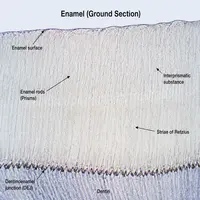
This tissue ranks as the hardest substance the human body produces, even harder than bone. Its strength comes from an unusual composition.
Roughly speaking, the makeup breaks down like this:
| Component | Approximate Percentage | Role |
|---|---|---|
| Hydroxyapatite crystals | 96% | Provides hardness and rigidity |
| Water | 3% | Fills microscopic spaces |
| Organic matrix | 1% | Supports crystal arrangement |
Notably, this mineral-heavy structure contains almost no living cells once a tooth erupts. As a result, it cannot heal itself the way skin or bone can. Instead, it relies entirely on minerals from saliva to stay strong through a process called remineralization.
Additionally, the crystals arrange themselves into tightly packed rods, running from the inner dentin layer out to the surface. This rod-like pattern gives the tissue both strength and a slight flexibility, which helps it absorb the pressure of daily chewing without cracking.
How Enamel Forms
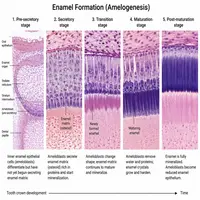
Formation begins long before a tooth ever appears in the mouth. Specialized cells called ameloblasts lay down the mineral matrix in thin layers, much like adding coats of paint. This process, known as amelogenesis, happens in two main stages.
The flowchart below outlines the basic sequence.
Ameloblasts Differentiate
        |
        v
Secretory Stage (organic matrix laid down)
        |
        v
Mineralization Begins
        |
        v
Maturation Stage (matrix removed, crystals thicken)
        |
        v
Tooth Erupts, Ameloblasts Are Lost
Once ameloblasts disappear after eruption, no new cells replace them. Consequently, any damage from this point forward becomes permanent unless treated. This is why dentists stress prevention so heavily during childhood, when the formation process is still active and vulnerable to disruption.
Fluoride exposure during these early years, for instance, can strengthen the developing crystal structure. However, excess fluoride during formation may cause a condition called fluorosis, leading to visible white or brown mottling later on.
Functions of Enamel
This tissue does far more than simply look white and shiny. Its main job is protection, but it supports several other roles too.
Key functions include:
- Mechanical protection – shields the softer dentin and pulp from chewing forces.
- Chemical barrier – resists acid attacks from food, bacteria, and drinks.
- Thermal insulation – reduces sensitivity to hot and cold temperatures.
- Aesthetic contribution – gives teeth their natural brightness and translucency.
- Structural support – helps maintain proper tooth shape during biting and grinding.
Meanwhile, its translucent quality allows some light to pass through to the yellowish dentin beneath. This is exactly why teeth naturally appear slightly off-white rather than pure white. In contrast, thinner areas near the edges of teeth often look more transparent, sometimes giving a bluish-gray tint.
Similarly, its smooth surface helps limit plaque buildup, at least when properly cared for. Once the surface roughens from decay or erosion, bacteria find it much easier to cling on and multiply.
Common Threats to Enamel
Several everyday habits and conditions can wear this protective layer down over time. Recognizing these threats early makes prevention far more effective.
Major causes of damage include:
- Acidic foods and drinks – citrus fruits, soda, and wine soften the surface temporarily.
- Bruxism – grinding or clenching teeth, often during sleep, wears down the surface mechanically.
- Poor oral hygiene – allows plaque acids to demineralize the tissue over time.
- Gastric reflux – exposes teeth to stomach acid, which is far stronger than dietary acids.
- Aggressive brushing – using a hard-bristled brush or excessive pressure can accelerate wear.
Furthermore, dry mouth conditions reduce the saliva available for natural remineralization. Since saliva neutralizes acid and supplies minerals, a persistently dry mouth leaves teeth far more vulnerable. People taking certain medications, or those who breathe through their mouth at night, often notice this effect first.
Erosion differs slightly from decay, even though both damage the same tissue. Decay results from bacterial acid produced after eating sugar, while erosion comes from direct acid contact, such as biting into a lemon. Either way, once enough mineral is lost, sensitivity and visible pitting tend to follow.
Protecting and Strengthening Enamel
Fortunately, several simple habits help preserve this tissue for decades. Brushing twice daily with fluoride toothpaste remains the foundation of any protective routine. Additionally, waiting about thirty minutes after eating acidic food before brushing gives saliva time to neutralize acid first.
Drinking water throughout the day also supports natural remineralization. Meanwhile, limiting frequent snacking on sugary or acidic items reduces the number of daily acid attacks. Dentists may also recommend fluoride varnishes or sealants for patients at higher risk of decay.
Ultimately, small daily choices add up. Prevention costs far less time and money than repairing extensive damage later.
Conclusion
Enamel might be thin, but it carries an enormous responsibility for daily comfort and long-term oral health. It forms once, works for a lifetime, and cannot regenerate once lost. Understanding its composition, formation, and vulnerabilities helps explain why dentists focus so heavily on prevention rather than repair. With consistent care, most people can keep this protective layer strong well into old age. Small daily habits, it turns out, make all the difference for something this small yet this important.
Frequently Asked Questions
No, this tissue cannot regenerate once fully formed, since the cells responsible for producing it disappear after a tooth erupts. However, early mineral loss can sometimes be reversed through remineralization.
Highly acidic items like citrus fruits, soda, sports drinks, and wine tend to soften the surface quickly, especially when consumed frequently throughout the day.
Its natural translucency allows the yellowish dentin underneath to show through, which is why perfectly white teeth are actually uncommon without whitening treatments.
Yes, fluoride supports remineralization and helps the crystal structure resist acid attacks, making it a key ingredient in most toothpaste and dental treatments
Erosion happens from direct acid contact with food or drinks, while decay results from acid produced by bacteria after they break down sugar on the tooth surface.