The mouth relies on more than teeth and gums to function properly. A hard, living tissue forms the foundation for everything inside the oral cavity. This tissue supports teeth, anchors muscles, and shapes the entire facial structure.
This guide explores this essential hard tissue from an oral biology perspective. It covers its structure, types, growth process, and clinical importance. Along the way, tables and a flowchart will simplify complex concepts.
What Is Bone in the Oral Cavity?
Bone refers to a rigid, mineralized connective tissue that forms the skeleton, including the jaws. In the oral cavity, two major structures matter most: the maxilla and the mandible. These structures hold teeth firmly in place and allow chewing, speaking, and swallowing.
Unlike soft tissue, this hard tissue contains a dense mineral matrix made mostly of calcium and phosphate. As a result, it withstands the constant pressure created during biting and chewing. Interestingly, this tissue remains alive and active throughout life, constantly rebuilding itself.
Specialized cells drive this rebuilding process. Osteoblasts build new tissue, while osteoclasts break down old tissue. Meanwhile, osteocytes maintain the structure once it matures. Together, these cells keep the jaw strong and adaptable.
This dynamic process explains why orthodontic treatment works. Braces apply gentle pressure, encouraging the surrounding hard tissue to remodel and shift teeth into better positions over time.
Types of Jaw Structures in Oral Biology
Two main structures form the foundation of the oral skeleton. The table below outlines their key differences.
| Feature | Maxilla | Mandible |
|---|---|---|
| Location | Upper jaw | Lower jaw |
| Mobility | Fixed | Movable |
| Function | Supports upper teeth, forms part of nasal cavity | Supports lower teeth, enables chewing motion |
| Joint connection | Fused to skull | Connected via temporomandibular joint |
| Bone type | Mostly cancellous with thin cortical layer | Dense cortical layer with cancellous core |
This structural difference explains why dental extractions in the lower jaw sometimes require more force. The denser structure resists movement more than the softer, spongier maxilla.
Additionally, both structures contain a special ridge called the alveolar process. This ridge holds tooth sockets firmly in place. Without it, teeth could not remain stable during daily chewing forces.
Structure and Composition
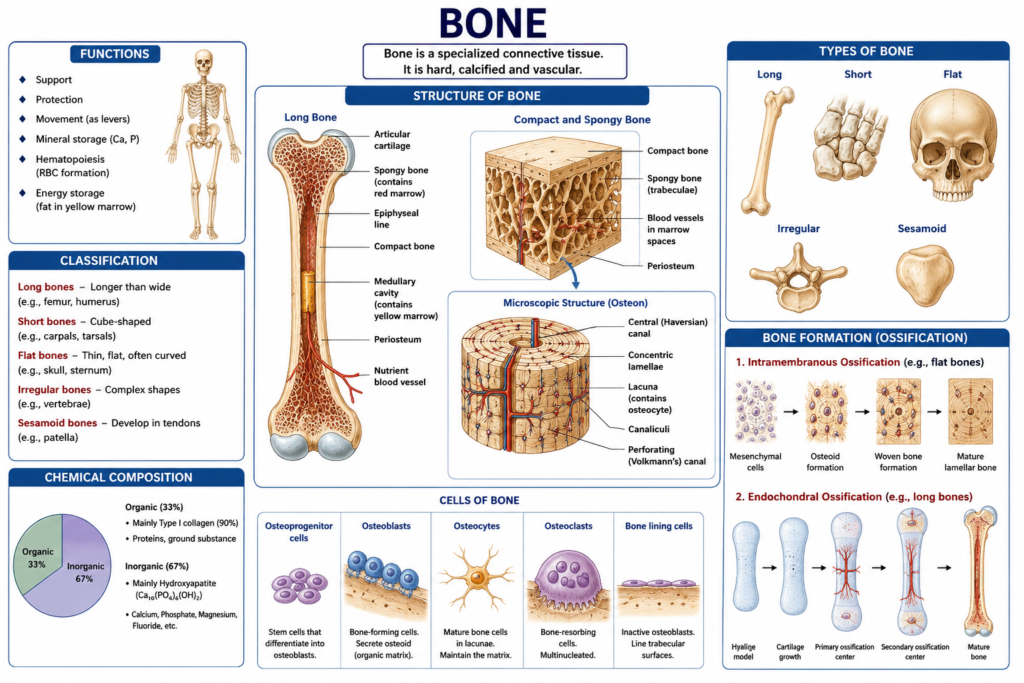
This hard tissue consists of two main layers. The outer layer, called cortical tissue, appears dense and compact. Meanwhile, the inner layer, known as cancellous tissue, looks spongy and porous.
Cortical tissue provides strength and protection. Cancellous tissue, however, reduces overall weight while still offering support. Together, these layers create a lightweight yet durable structure ideal for jaw function.
Furthermore, blood vessels and nerves run through small channels within this tissue. These channels supply nutrients and oxygen, keeping the tissue alive and responsive to stress. Consequently, injuries or infections in this area can affect healing speed significantly.
Collagen fibers also play a major role in this tissue’s flexibility. Without collagen, the hard mineral matrix would become brittle and prone to fractures. Therefore, a healthy balance between minerals and collagen ensures long-term durability.
Bone Growth and Remodeling Flowchart
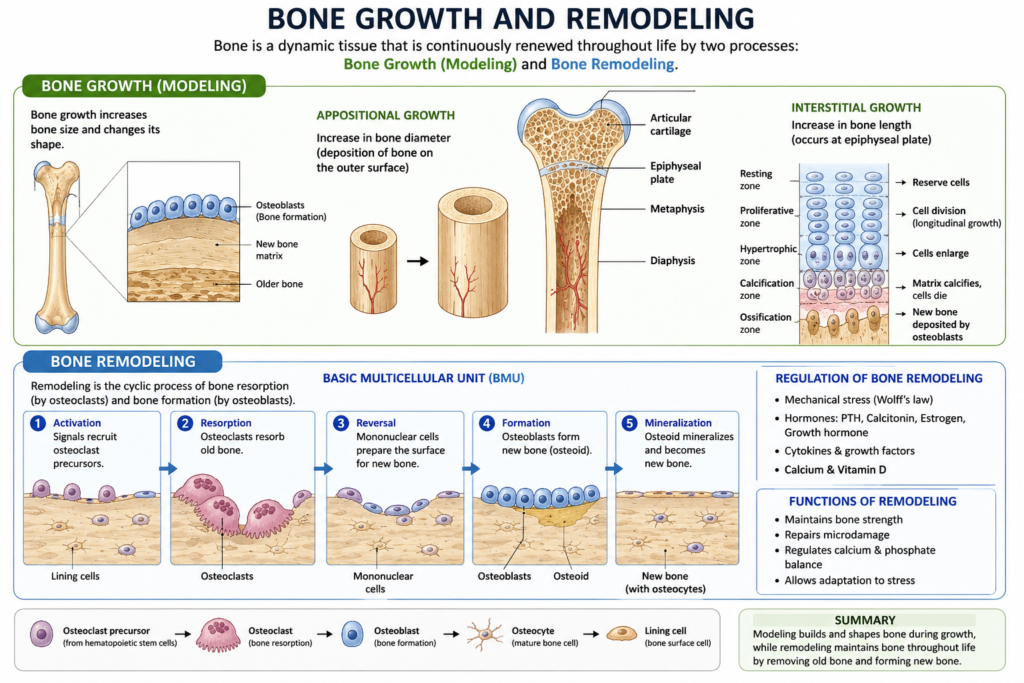
Understanding the growth cycle helps explain how teeth shift and heal after dental procedures. Below is a simplified flowchart of this ongoing process.
Mechanical Stress or Signal
        |
Osteoblasts Activated
        |
   New Tissue Formed
        |
Mineralization Occurs
        |
   Mature Tissue Structure
        |
Osteoclasts Break Down Old Areas
        |
   Remodeling Cycle Continues
This cycle repeats constantly throughout life. Notably, children experience faster remodeling than adults, which explains why orthodontic treatment often works better at a younger age.
Clinical Importance in Dentistry
Dentists pay close attention to jaw structure during almost every procedure. For instance, tooth extractions require careful evaluation of the surrounding tissue density. Weak or thin areas may need grafting before implant placement.
Dental implants rely heavily on this hard tissue for support. A process called osseointegration allows the implant to fuse directly with surrounding tissue. Therefore, adequate density and volume become essential for implant success.
Moreover, periodontal disease can severely damage this supporting structure. Bacterial infection gradually destroys the tissue around teeth, leading to looseness and eventual tooth loss. Early treatment often prevents this irreversible damage.
In addition, conditions like osteoporosis can weaken jaw structure over time. This weakening increases fracture risk and complicates dental procedures. For this reason, doctors and dentists often collaborate when treating patients with weakened skeletal health.
Common Conditions Affecting Jaw Structure
| Condition | Cause | Common Effect |
|---|---|---|
| Periodontitis | Bacterial infection | Tissue loss around teeth |
| Osteoporosis | Reduced mineral density | Increased fracture risk |
| Osteomyelitis | Bacterial or fungal infection | Painful inflammation, tissue damage |
| Alveolar atrophy | Tooth loss, aging | Reduced ridge height |
| Osteonecrosis | Medication side effect, radiation | Tissue death, poor healing |
Recognizing these conditions early allows dentists to plan safer, more effective treatments.
Conclusion
Bone plays a far bigger role in oral health than most people realize. It supports teeth, enables chewing, and constantly remodels itself throughout life. Without this strong yet adaptable structure, everyday functions like eating and speaking would become impossible.
Understanding jaw structure helps explain many dental procedures, from implants to orthodontics. Whether you are a dental student or simply curious about your own oral health, this knowledge highlights why maintaining strong jaw structure matters so much. Ultimately, healthy habits and regular dental checkups keep this vital foundation strong for years to come.
Frequently Asked Questions
It supports teeth, allows chewing, and maintains overall jaw structure and function
The maxilla forms the fixed upper jaw, while the mandible forms the movable lower jaw.
Braces apply gentle pressure, encouraging the surrounding tissue to remodel and allow teeth to shift into new positions.
Osseointegration occurs when a dental implant fuses directly with the surrounding jaw tissue, creating a stable foundation.
Yes, periodontitis gradually destroys the supporting tissue around teeth, which can eventually lead to tooth loss.