Repair and Regeneration of Oral Tissues: How the Mouth Heals
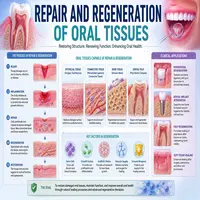
Your mouth takes a daily beating. Chewing, brushing, and even hot coffee create tiny injuries in oral tissues every single day. Fortunately, the body has a remarkable system for fixing this damage. The repair and regeneration of oral tissues involves a coordinated effort between cells, blood supply, and signaling molecules. In this article, we will explore how this process works, which tissues heal fastest, and what modern dentistry does to support it. We will also include tables and a flowchart so you can follow each stage clearly.
Why Oral Tissues Need Special Healing Mechanisms
The mouth is unlike most other parts of the body. It stays warm, moist, and full of bacteria at all times. Therefore, oral tissues must heal quickly while also resisting infection.
Saliva plays a major role here. It contains growth factors, antibacterial enzymes, and proteins that support tissue repair. Meanwhile, the rich blood supply in the gums and cheeks delivers oxygen and nutrients faster than in many other tissues. As a result, minor cuts inside the mouth often heal within a few days, while similar wounds on the skin can take much longer.
However, not all oral tissues behave the same way. Gingiva, or gum tissue, regenerates quickly due to high vascularity. Bone, on the other hand, remodels slowly and depends on specialized cells. Dental pulp has limited regenerative ability once fully mature, which is why untreated cavities often lead to irreversible damage.
The table below compares typical healing timelines across common oral tissues.
| Tissue Type | Approximate Healing Time | Regenerative Capacity |
|---|---|---|
| Gingiva | 3–7 days | High |
| Oral mucosa | 5–10 days | High |
| Periodontal ligament | 2–4 weeks | Moderate |
| Alveolar bone | 6–8 weeks (initial), months (full remodeling) | Moderate |
| Dental pulp (mature) | Limited or none | Low |
As the table shows, soft tissues generally heal faster than hard tissues. This difference exists mainly because soft tissues have better blood flow and simpler structural repair needs, whereas bone must rebuild a rigid mineral matrix before it regains strength.
The Stages of Oral Wound Healing
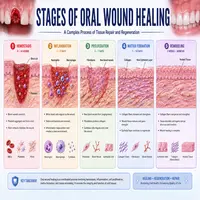
Healing in the mouth generally follows four overlapping stages. Understanding these stages helps explain how repair and regeneration of oral tissues actually unfold at the cellular level.
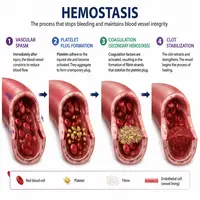
- Hemostasis – Blood vessels constrict, and platelets form a clot to stop bleeding.
- Inflammation – White blood cells clear debris and bacteria from the wound site.
- Proliferation – New tissue forms as fibroblasts produce collagen and blood vessels regrow.
- Remodeling – Collagen fibers reorganize, and the tissue gains strength over time.
First, hemostasis begins within seconds of an injury. Next, inflammation takes over, usually lasting two to three days. Afterward, proliferation builds new tissue over the following week. Finally, remodeling can continue for weeks or even months, depending on the size of the wound.
Key Cells Involved in Oral Tissue Repair
Several cell types drive this process forward, and each one plays a distinct role.
| Cell Type | Primary Role | Location |
|---|---|---|
| Fibroblasts | Produce collagen and connective tissue | Gingiva, periodontal ligament |
| Osteoblasts | Build new bone matrix | Alveolar bone |
| Odontoblasts | Form dentin and respond to pulp injury | Dental pulp |
| Keratinocytes | Rebuild the epithelial surface | Oral mucosa |
| Macrophages | Clear debris and release growth factors | Wound site |
Meanwhile, stem cells found in the dental pulp and periodontal ligament also contribute significantly. These cells can differentiate into several tissue types, which makes them valuable for both natural healing and modern regenerative treatments.
A Simple Flowchart of the Healing Process
Injury occurs in oral tissue
            |
            v
Platelets form a clot (Hemostasis)
            |
            v
Immune cells clear bacteria and debris (Inflammation)
            |
            v
Fibroblasts and blood vessels rebuild tissue (Proliferation)
            |
            v
Collagen reorganizes and strengthens (Remodeling)
            |
            v
Tissue function is restored
This flowchart shows a simplified version of events. In reality, these stages overlap significantly, and the exact timeline depends on the type of tissue involved, the size of the injury, and the patient’s overall health.
Factors That Influence Healing Speed

Several factors can speed up or slow down recovery. Age is one major factor, since younger patients typically heal faster than older adults. Nutrition also matters greatly; deficiencies in vitamin C or protein can delay collagen production significantly.
Smoking, meanwhile, reduces blood flow to oral tissues and significantly slows healing. Diabetes has a similar effect, since high blood sugar impairs immune function and blood vessel repair. Consequently, dentists often advise patients with these conditions to take extra precautions after oral surgery.
Local factors matter too. Poor oral hygiene introduces more bacteria into a wound, while good hygiene supports faster recovery. Additionally, adequate blood supply to the injured area plays a critical role, which is why bone grafts sometimes fail in areas with poor circulation.
Medications can influence healing as well. Certain drugs, such as bisphosphonates used for osteoporosis, can interfere with normal bone turnover in the jaw. Similarly, long-term corticosteroid use can suppress the immune response needed during the inflammatory stage. For this reason, dentists usually review a patient’s full medical history before performing surgery, since even a common medication can change the expected healing timeline.
Modern Approaches Supporting Regeneration
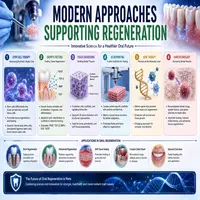
Dentistry now offers several tools to support natural healing. Guided tissue regeneration, for example, uses membranes to direct new bone and gum growth in the right location. Similarly, platelet-rich fibrin concentrates growth factors from a patient’s own blood to accelerate healing after extractions or implant placement.
Stem cell research has also advanced considerably. Scientists are studying dental pulp stem cells for their potential to regenerate damaged pulp tissue, rather than relying solely on root canal treatment. Meanwhile, bioactive materials like calcium hydroxide and mineral trioxide aggregate encourage the formation of new dentin in injured teeth.
Because these therapies work with the body’s own repair and regeneration of oral tissues, rather than against it, outcomes tend to improve significantly. Ongoing research continues to refine these techniques further.
Tissue engineering has also entered mainstream dental research. Scientists now combine scaffolds, growth factors, and stem cells to rebuild larger areas of missing bone or gum tissue. For instance, collagen-based scaffolds can hold cells in place while blood vessels grow into the wound site. Similarly, researchers are testing gene therapy approaches that deliver specific growth factors directly to damaged periodontal tissue. Although many of these techniques remain experimental, early results suggest they could reduce healing time and improve long-term stability for patients with severe tissue loss.
Conclusion
The mouth heals through a precise, layered process involving specialized cells, rich blood supply, and coordinated signaling. From the first clot to the final remodeling phase, every step matters. Understanding the repair and regeneration of oral tissues helps explain why some wounds heal in days while others take months. It also explains why modern dental treatments increasingly focus on supporting the body’s natural healing ability rather than replacing it entirely. As research advances, patients can expect faster recovery times and better long-term outcomes for even complex oral injuries.
Frequently Asked Questions
Oral tissues receive a rich blood supply and constant exposure to saliva, which contains antibacterial and healing compounds. Together, these factors speed up recovery compared to skin.
Mature dental pulp has limited regenerative ability. However, researchers are studying stem cell therapies that may restore this function in the future.
Yes. Smoking reduces blood flow to oral tissues, which slows every stage of healing and increases the risk of complications after dental procedures.
This is a dental technique that uses membranes to direct the growth of new bone or gum tissue while blocking unwanted cell types from interfering.
Basic bone healing often takes six to eight weeks, though complete remodeling can continue for several months depending on the size of the extraction site.