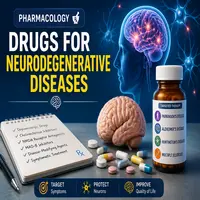
Drugs for Neurodegenerative Diseases: A Complete Treatment Guide
Neurodegenerative diseases affect millions of people worldwide, and the number keeps rising every year. These conditions slowly damage nerve cells in the brain and spinal cord. As a result, patients lose memory, movement, or muscle control over time.
Pharmacology has made real progress against these disorders. Scientists now understand disease mechanisms better than ever before. Consequently, treatment options have expanded well beyond symptom management. This article walks through the major drug classes used today, how they work, and what the future holds.
What Are Neurodegenerative Diseases?
Neurodegenerative diseases are conditions where neurons progressively lose structure or function. Eventually, this leads to cell death. Common examples include Alzheimer’s disease, Parkinson’s disease, amyotrophic lateral sclerosis (ALS), and Huntington’s disease.
These illnesses share a few features. First, they develop slowly over years. Second, they mostly affect older adults, though genetic forms can strike younger patients. Third, no single cure exists yet. Therefore, treatment focuses on slowing progression, managing symptoms, and improving quality of life.
Given this complexity, drugs for neurodegenerative diseases target different biological pathways depending on the condition. Some drugs boost neurotransmitter levels. Others reduce toxic protein buildup. A few newer therapies aim to modify the disease course itself.
Drug Classes for Alzheimer’s Disease
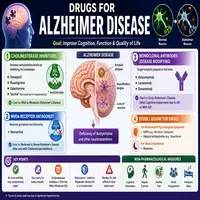
Alzheimer’s disease remains the most common neurodegenerative disorder. Treatment traditionally relied on two drug classes.
Cholinesterase inhibitors (donepezil, rivastigmine, galantamine) block the breakdown of acetylcholine, a chemical needed for memory and learning. These drugs help mild to moderate symptoms, though they do not stop disease progression.
NMDA receptor antagonists, such as memantine, regulate glutamate activity. Excess glutamate can overstimulate neurons and cause damage. Memantine is often prescribed for moderate to severe cases, sometimes alongside a cholinesterase inhibitor.
More recently, disease-modifying antibodies have entered the picture. Lecanemab and donanemab target amyloid-beta plaques directly. Clinical data suggest these drugs can slow cognitive decline in early-stage patients. However, they require regular infusions and careful monitoring for brain swelling or bleeding.
Drugs for Parkinson’s Disease

Parkinson’s disease results from the loss of dopamine-producing neurons in the brain. Consequently, most treatments aim to restore dopamine function.
Levodopa, usually combined with carbidopa, remains the gold standard. It converts into dopamine within the brain, easing tremors and stiffness. Over time, though, its effectiveness can fluctuate, leading to “on-off” symptoms.
Dopamine agonists like pramipexole and ropinirole mimic dopamine’s effects directly. MAO-B inhibitors (selegiline, rasagiline) slow dopamine breakdown, extending its action in the brain. Meanwhile, COMT inhibitors help levodopa last longer by blocking a different metabolic pathway.
Interestingly, researchers are now exploring monoclonal antibodies and gene-based therapies for Parkinson’s. These approaches target alpha-synuclein, the protein believed to drive nerve damage in this disease.
ALS and Other Motor Neuron Treatments
Amyotrophic lateral sclerosis attacks motor neurons, causing progressive muscle weakness. Historically, treatment options were limited. Today, however, four drugs carry FDA approval for slowing ALS progression: riluzole, edaravone, tofersen, and, previously, AMX0035 (which manufacturers later withdrew after disappointing phase III results).
Riluzole reduces glutamate release and offers modest survival benefits. Edaravone acts as an antioxidant, reducing oxidative stress on motor neurons. Tofersen, a newer antisense oligonucleotide, targets SOD1-related ALS specifically, representing a genetic-based approach.
Below is a quick comparison of common drug classes across major neurodegenerative diseases.
| Disease | Drug Class | Example Drugs | Primary Mechanism |
|---|---|---|---|
| Alzheimer’s | Cholinesterase inhibitors | Donepezil, Rivastigmine | Increase acetylcholine levels |
| Alzheimer’s | NMDA antagonists | Memantine | Regulate glutamate activity |
| Alzheimer’s | Anti-amyloid antibodies | Lecanemab, Donanemab | Clear amyloid-beta plaques |
| Parkinson’s | Dopamine precursor | Levodopa/Carbidopa | Restores dopamine supply |
| Parkinson’s | MAO-B inhibitors | Selegiline, Rasagiline | Slows dopamine breakdown |
| ALS | Glutamate modulator | Riluzole | Reduces glutamate toxicity |
| ALS | Antisense oligonucleotide | Tofersen | Targets SOD1 gene expression |
How Doctors Choose the Right Medication
Selecting the right drug depends on several factors. Age, disease stage, genetic markers, and coexisting conditions all play a role. Additionally, doctors weigh side effects against expected benefits before prescribing.
The flowchart below outlines a simplified decision path clinicians often follow.
Patient shows neurodegenerative symptoms
              |
              v
     Diagnostic confirmation
   (imaging, biomarkers, genetics)
              |
              v
     Identify specific disease
    (Alzheimer's / Parkinson's / ALS)
              |
   -----------------------------
   |             |             |
   v             v             v
Symptom-focused  Disease-      Genetic/biomarker-
therapy          modifying     targeted therapy
(e.g., levodopa) therapy       (e.g., tofersen,
                 (e.g., anti-  anti-amyloid mAbs)
                 amyloid mAbs)
   |             |             |
   -----------------------------
              |
              v
   Monitor response and adjust dose
This structured approach helps clinicians balance efficacy with safety. Furthermore, it allows adjustments as new symptoms emerge or as the disease progresses.
Emerging and Future Therapies
Pharmacology research keeps evolving rapidly. Gene therapies, antisense oligonucleotides, and monoclonal antibodies now represent the fastest-growing categories among drugs for neurodegenerative diseases.
For instance, ongoing trials are testing antibodies against alpha-synuclein for Parkinson’s disease. Similarly, researchers continue studying neurofilament light chain as a biomarker to speed up ALS drug approvals. Gene therapy candidates targeting rare inherited neurodegenerative disorders, such as Sanfilippo syndrome, are also advancing through regulatory review.
Nevertheless, challenges remain. Many candidate drugs fail in late-stage trials. Cost and accessibility also limit how widely new therapies reach patients. Still, the overall trend points toward more precise, mechanism-based treatment strategies rather than one-size-fits-all approaches.
Safety Considerations and Side Effects
No drug is free of risk, and neurodegenerative disease treatments are no exception. Cholinesterase inhibitors can cause nausea or gastrointestinal upset. Dopaminergic drugs may trigger nausea, hallucinations, or impulse-control issues. Newer antibody therapies carry a risk of brain swelling, detected through routine MRI monitoring.
Patients and caregivers should discuss all side effects with their care team. Regular follow-up appointments help catch complications early. Meanwhile, lifestyle factors like diet, exercise, and cognitive engagement can support drug therapy and may slow functional decline.
Conclusion
Treating neurodegenerative diseases requires a thoughtful, personalized approach. Cholinesterase inhibitors, dopamine-based therapies, and glutamate modulators remain foundational options. At the same time, newer drugs for neurodegenerative diseases, including monoclonal antibodies and gene-targeted treatments, are reshaping what’s possible for patients and families. Although a complete cure remains elusive, ongoing research continues to bring meaningful improvements in symptom control and disease management. Patients should always work closely with a neurologist to find the safest, most effective treatment plan for their specific condition.
Frequently Asked Questions
Common options include cholinesterase inhibitors, NMDA antagonists, dopamine agonists, MAO-B inhibitors, and newer monoclonal antibodies, depending on the specific disease.
No current drug fully cures these conditions. Instead, medications slow progression, manage symptoms, or target underlying disease mechanisms.
These drugs show promising results but require regular MRI monitoring due to potential brain swelling or bleeding as side effects.
Tofersen is an antisense oligonucleotide that targets SOD1 gene expression, reducing toxic protein production in patients with this specific genetic mutation.
Regular exercise, a balanced diet, cognitive activities, and consistent follow-up care can complement medication and support overall brain health.