Dental Plaque: What It Is and Why It Matters
Dental plaque forms on your teeth every single day. Most people have heard the word, yet few understand what it actually is. This sticky film carries real consequences for your teeth and gums. In this guide, we break down how plaque forms. We also cover what it contains and why it matters. You will find two tables, a simple flowchart, and five common questions answered. Think of plaque as a living community. It quietly builds itself on your teeth each day.
What Exactly Is Dental Plaque?
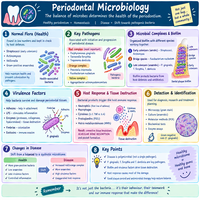
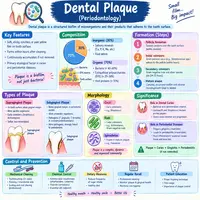
Plaque is a soft, sticky film that forms on tooth surfaces. It is not simply leftover food. Instead, it is a living community of bacteria, saliva proteins, and other materials. This mix bonds tightly to your teeth within hours.
You can often feel plaque before you see it. Run your tongue across unbrushed teeth, and you may notice a fuzzy texture. That texture comes from the bacterial layer building up on the surface. Left alone, this layer thickens steadily throughout the day.
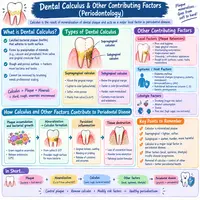
Plaque differs from tartar, though the two often get confused. Tartar, also called calculus, forms when plaque hardens over time. Unlike plaque, tartar cannot be removed with a toothbrush alone. Understanding this distinction helps explain why regular dental cleanings matter so much.
How Plaque Forms: The Step-by-Step Process
Plaque formation follows a surprisingly predictable pattern. Within minutes after cleaning, a thin layer of saliva proteins coats your teeth. Dentists call this layer the pellicle. It creates a surface that bacteria can easily attach to.
Early bacteria arrive next, attaching to this protein layer. These pioneer species multiply quickly and release substances that attract more bacteria. Over the following hours, the community grows more complex and diverse. By the end of a single day, a mature plaque layer has typically formed.
Without disruption, this community keeps building. It thickens, matures, and shifts toward more harmful bacterial species. That is why brushing and flossing need to happen daily, not occasionally. Each cleaning resets the clock on this ongoing process.
What Plaque Is Made Of
Plaque is far more complex than most people realize. Hundreds of bacterial species can live within a single plaque sample. These bacteria organize themselves into structured layers, not a random pile. Different species cluster in specific zones based on oxygen levels and nutrients.
Beyond bacteria, plaque contains several other components. Saliva proteins help bacteria stick to the tooth surface initially. A sticky matrix, made partly of sugars, holds the whole structure together. It also traps nutrients and shields bacteria from outside threats.
This organized structure explains why plaque resists simple rinsing. However, mouthwash alone often cannot penetrate a mature layer effectively. Mechanical removal, through brushing and flossing, physically breaks this structure apart. The table below summarizes the main components found in this sticky film.
| Component | Role |
|---|---|
| Bacteria | Form the living core of the plaque community |
| Saliva pellicle | Provides the initial surface bacteria attach to |
| Polysaccharide matrix | Holds the bacterial community together |
| Food particles and sugars | Feed certain bacteria and fuel growth |
| Dead cells and debris | Add bulk and nutrients to the structure |
Why Plaque Causes Gum Disease and Cavities
Plaque causes harm in two distinct ways. First, certain bacteria produce acid as they digest sugar. This acid slowly dissolves tooth enamel, leading to cavities over time. The longer plaque sits undisturbed, the more acid accumulates.
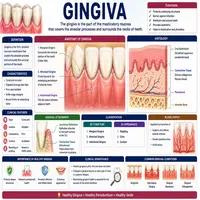
Second, plaque near the gumline triggers inflammation. Your immune system reacts to bacterial buildup with swelling and redness. This reaction, known as gingivitis, causes bleeding during brushing or flossing. Left untreated, this inflammation can progress toward periodontitis.
Periodontitis involves deeper tissue and bone damage. At this stage, the damage becomes much harder to reverse. Consequently, catching plaque buildup early protects you from more serious, lasting consequences. Daily habits truly do make a measurable difference over time.
Plaque and Your Overall Health
Oral bacteria rarely stay confined to the mouth. Research links poor oral hygiene to broader health concerns. Heart disease and diabetes have both been studied in connection with gum inflammation. The exact mechanisms are still being researched, but the association is notable.
Pregnant women face a unique consideration too. Severe gum inflammation during pregnancy has been linked to premature birth risk. Several studies support this connection. For this reason, prenatal dental checkups matter more than many people realize. Hormonal shifts during pregnancy can also make gums more reactive to plaque.
Respiratory health connects here as well. Bacteria from the mouth can potentially be inhaled into the lungs. This risk is particularly relevant for older adults or those in hospital care. Maintaining good oral hygiene supports health well beyond just your smile.
Where Plaque Likes to Hide
Plaque does not build evenly across your mouth. Certain areas collect far more buildup than others. Back teeth, with their deep grooves, trap plaque easily during chewing. These hidden crevices often escape a quick brushing pass.
Gumlines present another high-risk zone. Bacteria thrive in the slightly protected space along the gum edge. Between teeth, plaque hides where a toothbrush bristle cannot easily reach. This is exactly why flossing or interdental brushes matter so much.
Around dental work, plaque finds even more hiding spots. Crowns, bridges, and braces create extra nooks and crannies. Orthodontic patients especially need extra attention during brushing. The table below highlights common high-risk zones and how to address them.
| High-Risk Area | Why It Matters | Helpful Tool |
|---|---|---|
| Back molars | Deep grooves trap food and bacteria | Thorough brushing, pit and fissure sealants |
| Gumline | Bacteria thrive in this protected space | Angled brushing technique |
| Between teeth | Bristles cannot reach this tight space | Floss or interdental brushes |
| Around braces | Wires and brackets create extra surfaces | Orthodontic brush, floss threaders |
| Under bridges | Hidden space beneath the restoration | Floss threaders, water flossers |
From Clean Teeth to Plaque Buildup: A Simple Flowchart
Below, a simple chart shows how plaque typically progresses without regular disruption.
         Teeth cleaned (brushing or professional)
                        |
                        v
      Saliva pellicle forms within minutes
                        |
                        v
      Early bacteria attach to the pellicle
                        |
                        v
      Bacterial community grows and diversifies
                        |
                        v
      Mature plaque forms within 24 hours
                        |
                        v
      Without removal, plaque hardens into tartar
                        |
                        v
      Gum inflammation and enamel acid damage begin
                        |
                        v
      Without treatment, gingivitis or cavities progress
Common Myths About Plaque
Several myths persist around this topic, and clearing them up helps. One common myth claims that hard brushing removes plaque faster. In reality, aggressive brushing can damage gums and enamel without improving results. Gentle, thorough technique works far better than brute force.
Another myth suggests that mouthwash can replace brushing entirely. Rinses help reduce bacteria, yet they cannot physically remove the sticky film. Mechanical cleaning, through brushing and flossing, remains irreplaceable. Rinses work best as a supplement, not a substitute.
Finally, many people believe that clear or white teeth mean plaque-free teeth. Unfortunately, plaque is often invisible to the naked eye in its early stages. Regular checkups, not appearance alone, confirm whether your hygiene routine truly works.
Effective Ways to Control Plaque
Controlling plaque does not require complicated tools. Brushing twice daily remains the foundation of good oral hygiene. A soft-bristled brush, angled toward the gumline, removes plaque most effectively. Two minutes of brushing covers all tooth surfaces thoroughly.
Flossing reaches areas a toothbrush simply cannot touch. Daily flossing disrupts plaque between teeth before it matures. Water flossers and interdental brushes offer helpful alternatives for some patients. Choosing a tool you will actually use consistently matters most.
Professional cleanings add another essential layer of protection. Hygienists remove hardened tartar that brushing alone cannot touch. Regular checkups also catch problem areas before they worsen. Diet matters too, since reducing sugary snacks limits the fuel bacteria rely on.
Conclusion
Dental plaque builds quietly every single day, whether you notice it or not. As we have seen, this film starts forming within minutes of cleaning your teeth. Left undisturbed, it matures, hardens, and drives both cavities and gum disease. Fortunately, simple daily habits keep this process in check. Brushing, flossing, and regular professional cleanings interrupt plaque before it causes lasting harm. Staying consistent with these habits protects your smile for the long run.
Frequently Asked Questions
No. Plaque is a soft, sticky film that forms daily. Tartar is hardened plaque that only a dental professional can remove.
Plaque begins forming within minutes after brushing. A fully mature layer typically develops within about 24 hours.
Not effectively on its own. Mature plaque resists chemical disruption, so brushing and flossing remain essential for physical removal.
A toothbrush cannot easily reach these tight spaces. Floss or interdental brushes help disrupt plaque where bristles cannot go.
Yes. Sugary foods and drinks feed plaque bacteria directly. Reducing sugar intake helps limit how quickly plaque matures and causes damage.