How Aging Affects the Periodontium: What Every Patient Should Know
Growing older brings many changes to the body, and the mouth is no exception. Therefore, understanding the relationship between aging and periodontium health matters for anyone who wants to keep their natural teeth well into their senior years. The periodontium — the group of tissues that support and surround the teeth — includes the gingiva, periodontal ligament, cementum, and alveolar bone. Each of these structures undergoes gradual changes with age, and consequently, older adults face a higher risk of gum recession, bone loss, and tooth mobility.
This article explains what happens to the supporting structures of the teeth as we age, why these changes occur, and what steps patients can take to protect their oral health. Additionally, we’ll cover practical prevention tips, a simple comparison table, a flowchart of the aging process, and answers to common questions.
Understanding the Periodontium: A Quick Overview
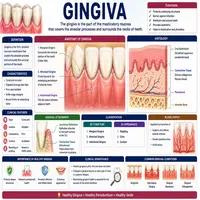
Before exploring age-related changes, it helps to understand what the periodontium actually does. This tissue complex anchors each tooth firmly into the jawbone while also acting as a shock absorber during chewing. Below is a simple breakdown of its four main components.
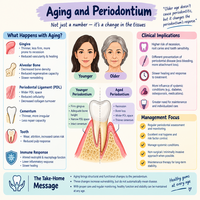
| Component | Main Function | Common Age-Related Change |
|---|---|---|
| Gingiva (gums) | Protects underlying bone and roots | Thinning, recession, reduced elasticity |
| Periodontal ligament | Connects tooth root to bone, absorbs chewing forces | Decreased cell count, reduced vascularity |
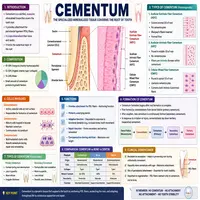
| Cementum | Covers the tooth root, anchors ligament fibers | Continues to thicken with age (unlike other tissues) |
| Alveolar bone | Holds tooth roots in place | Gradual density loss, slower remodeling |
Consequently, when several of these tissues weaken at once, teeth can become looser, more sensitive, and more vulnerable to disease, even without active gum infection.
How the Gingiva Changes With Age
The gingiva is often the first tissue where visible changes appear. Over time, the gum tissue tends to become thinner, less elastic, and paler in color due to reduced blood supply. Furthermore, the keratinized layer that protects the gums from daily wear may decrease, making tissue more prone to injury from brushing or hard foods.
Gum recession is another common finding, though it is not strictly a normal part of aging on its own. Instead, recession usually results from a combination of thinning tissue, years of mechanical wear, and long-term plaque exposure. As a result, root surfaces may become exposed, leading to increased sensitivity to hot, cold, or sweet foods. Meanwhile, saliva production often declines with age or certain medications, which further increases the risk of dryness, irritation, and bacterial buildup along the gumline.
Changes in the Periodontal Ligament and Cementum
The periodontal ligament connects each tooth to the surrounding bone through a network of collagen fibers and specialized cells. With advancing age, this ligament typically shows fewer fibroblast cells, reduced blood vessel density, and a slower turnover of collagen. Because of this, the ligament becomes somewhat less responsive to mechanical stress, and healing after minor trauma may take longer than it would in a younger patient.
Cementum, interestingly, behaves differently than the other periodontal tissues. Rather than thinning, cementum tends to thicken progressively throughout life as new layers are deposited near the root apex. While this thickening can help anchor the tooth, it may also complicate certain dental procedures, such as root canal treatment or root planing, since the working area becomes denser and less predictable. Nevertheless, healthy cementum remains essential for stable tooth attachment throughout adulthood.
Alveolar Bone Loss and Its Impact on Tooth Stability
Alveolar bone provides the foundation that holds teeth firmly in the jaw, and it is particularly sensitive to age-related change. As bone density decreases throughout the body — a process influenced by hormonal shifts, reduced physical activity, and conditions like osteoporosis — the jawbone can follow a similar pattern. Subsequently, bone height and density around the teeth may decline, even in the absence of active periodontal disease.
This bone loss becomes especially significant when combined with longstanding periodontitis, since the two processes can accelerate one another. For instance, an older patient with a history of gum disease may lose supporting bone more rapidly than someone with healthy periodontal tissue and normal bone metabolism. Ultimately, this combination raises the risk of tooth mobility, drifting, and even tooth loss if left untreated.
The Aging Process of the Periodontium: A Simple Flowchart
To visualize how these changes typically progress, consider the flowchart below.
Natural Aging Begins
        |
        v
Reduced Blood Supply & Cell Turnover
        |
        v
   ┌─────────────┬──────────────┬──────────────┐
   v              v              v              v
Thinner Gingiva   Fewer PDL     Thickening    Slower Bone
& Recession       Fibroblasts   Cementum      Remodeling
   |              |              |              |
   └──────┬───────┴──────────────┴──────┬───────┘
          v                              v
   Increased Sensitivity         Reduced Bone Density
          |                              |
          └──────────────┬───────────────┘
                          v
            Higher Risk of Tooth Mobility
            (especially with poor oral hygiene
             or existing periodontal disease)
                          |
                          v
        Preventable with Regular Dental Care
This diagram highlights an important point: while these tissue changes are largely natural, their consequences are not inevitable. Good oral hygiene, professional cleanings, and prompt treatment of gum disease can significantly slow this progression.
Risk Factors That Accelerate Periodontal Aging
Several factors can speed up the changes described above, beyond what typical aging alone would cause. Smoking, for example, restricts blood flow to gum tissue and significantly impairs healing capacity. Similarly, poorly controlled diabetes affects collagen metabolism and increases susceptibility to infection throughout the periodontium. Certain medications, including those that reduce saliva flow, can also contribute to dryness and higher plaque accumulation.
Moreover, nutritional deficiencies, particularly in vitamin C and calcium, may weaken connective tissue and bone density over time. Hormonal changes, especially in postmenopausal women, can likewise influence bone metabolism and increase susceptibility to periodontal breakdown. Recognizing these risk factors early allows both patients and dental professionals to intervene before serious damage occurs.
Protecting the Periodontium as You Age
Fortunately, many age-related periodontal changes can be managed effectively with consistent care. First, maintaining a thorough daily oral hygiene routine — including gentle brushing and interdental cleaning — helps reduce plaque buildup along sensitive, receding gumlines. Second, scheduling regular dental checkups allows early detection of bone loss or gum recession before symptoms become severe.
In addition, addressing dry mouth through hydration, saliva substitutes, or medication adjustments can meaningfully reduce bacterial buildup. Quitting smoking, managing systemic conditions like diabetes, and maintaining adequate calcium and vitamin intake also support healthier gum and bone tissue over the long term. Finally, patients experiencing sensitivity, bleeding gums, or loose teeth should seek prompt evaluation, since early treatment is far more effective than addressing advanced bone or attachment loss later on.
Conclusion
Aging naturally reshapes the periodontium, from thinning gingiva to slower bone remodeling, yet these changes rarely occur in isolation from lifestyle and oral care habits. As this article has shown, understanding how each tissue responds over time helps patients recognize early warning signs and take proactive steps toward prevention. With consistent hygiene, regular professional care, and attention to risk factors like smoking or diabetes, most people can maintain a stable, functional periodontium well into older age. Ultimately, healthy aging and periodontium care go hand in hand, and small daily habits often make the biggest long-term difference.
Frequently Asked Questions
Not necessarily. While gum tissue often thins with age, significant recession usually results from a combination of factors such as aggressive brushing, plaque buildup, or periodontal disease, rather than aging alone.
Some bone loss can be stabilized or partially improved with treatments like bone grafting or scaling and root planing, though severe loss is often managed rather than fully reversed. Early intervention offers the best outcomes.
As gum tissue recedes and root surfaces become exposed, the underlying dentin is more directly exposed to temperature and pressure, which typically increases sensitivity.
No. While certain tissue changes are natural, periodontal disease itself is caused by bacterial infection and inflammation, not aging alone. With proper care, many older adults keep healthy gums throughout life.
Most dental professionals recommend checkups every six months, though patients with a history of periodontal disease or additional risk factors may benefit from more frequent visits.