Immunity and Inflammation in Gum Disease Explained
Gum disease is not just a bacterial problem. Your body’s own response plays an equally important role. The relationship between immunity and inflammation shapes your gum health. It decides whether tissue stays healthy or breaks down. In this guide, we explore how your immune system reacts to oral bacteria. We also explain why that reaction sometimes causes harm. You will find two tables, a simple flowchart, and five common questions answered. Understanding this process helps. It explains why some people develop gum disease more easily than others.
The Immune System’s Role in Oral Health
Your immune system works constantly, even when you feel perfectly fine. It patrols your gums and mouth, watching for harmful bacteria. When it detects a threat, it responds quickly to contain the problem. This response protects you from infection spreading further.
Several types of immune cells participate in this process. White blood cells travel through gum tissue, ready to respond. Specialized cells release chemical signals that coordinate the broader immune response. Together, these cells form a sophisticated defense network within your gums.
This system usually works beautifully. Most bacterial exposure gets handled quietly, without any symptoms at all. However, when bacterial buildup becomes excessive or persistent, the immune response can intensify. That intensified response is where inflammation enters the picture.
What Inflammation Actually Is
Inflammation is not inherently bad. In fact, it serves a vital protective purpose. When your immune system detects bacteria, it triggers inflammation to fight the threat. Blood flow increases, bringing more immune cells to the affected area.
This process causes the familiar signs of gum inflammation. Redness develops as blood vessels dilate near the surface. Swelling occurs as fluid and immune cells accumulate in the tissue. Bleeding during brushing often signals this heightened inflammatory state.
Short-term inflammation typically resolves once the threat clears. Unfortunately, gum disease often involves inflammation that never fully resolves. Bacteria keep triggering the response continuously, day after day. Over time, this chronic state becomes the real source of tissue damage.
How the Immune Response Can Backfire
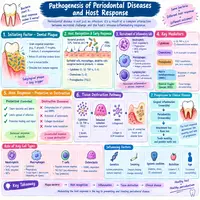
Here lies the central paradox of gum disease. The very process meant to protect you can also cause harm. Chronic inflammation releases enzymes that break down collagen and connective tissue. These same enzymes were originally meant to fight bacteria.
Bone tissue faces similar risk during prolonged inflammation. Ongoing immune signaling activates specialized cells. These cells begin breaking down bone near the tooth root. This process explains how periodontitis leads to the bone loss seen on X-rays. Essentially, the body’s defense mechanism becomes self-destructive over time.
This backfire effect explains why gum disease often progresses silently. Patients may not feel significant pain during early stages. Meanwhile, invisible tissue destruction continues beneath the surface. Recognizing this hidden process helps explain why regular dental checkups matter so much.
How Inflammation Shows Up in a Dental Exam
Dentists look for specific signs during every checkup. Bleeding on gentle probing often signals active inflammation beneath the surface. Redness and puffiness along the gumline offer another visible clue. These signs help dentists catch problems before bone loss begins.
Pocket depth measurements add further insight. Deeper pockets often indicate more advanced inflammation and tissue breakdown. Your dentist records these measurements at multiple points around each tooth. Tracking changes over time reveals whether treatment is working.
X-rays complete this picture by showing bone levels directly. Early inflammation rarely shows up on X-rays, since bone loss takes time to develop. Catching inflammation early, before bone changes appear, offers the best chance for full recovery.
Key Players in the Inflammatory Response
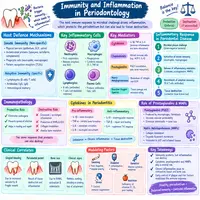
Several specific cells and chemicals drive this process forward. Understanding their roles helps clarify why inflammation sometimes spirals out of control. The table below introduces the main participants in gum tissue inflammation.
| Component | Role in Gum Disease |
|---|---|
| Neutrophils | First responders that attack bacteria directly |
| Macrophages | Clean up debris and release inflammatory signals |
| Cytokines | Chemical messengers that coordinate immune activity |
| Matrix metalloproteinases | Enzymes that break down collagen in gum tissue |
| Osteoclasts | Cells that break down bone during chronic inflammation |
These components normally work in careful balance. Problems arise when bacterial stimulation remains constant and unrelenting. Under those conditions, the system stays activated far longer than intended. That prolonged activation drives the tissue destruction associated with periodontitis.
Why Some People React More Strongly Than Others
Not everyone develops the same level of gum disease from similar bacterial exposure. Genetics play a significant role in this variation. Some people naturally produce higher levels of inflammatory chemicals in response to bacteria. This stronger reaction can accelerate tissue breakdown.
Systemic health conditions also influence immune response significantly. Diabetes, for example, amplifies inflammation throughout the body, including the gums. Poorly controlled blood sugar makes this amplification even more pronounced. Smoking similarly disrupts normal immune function in complex ways.
Stress deserves mention here too. Chronic stress affects immune regulation broadly, not just in the mouth. Hormonal changes, such as those during pregnancy, can also heighten gum tissue sensitivity. Together, these factors explain a lot. Identical hygiene habits can still produce very different outcomes between patients.
From Healthy Balance to Tissue Breakdown: A Flowchart
The chart below shows how this process typically unfolds over time.
        Bacteria accumulate along the gumline
                       |
                       v
      Immune system detects bacterial presence
                       |
                       v
    Acute inflammation begins (redness, swelling)
                       |
                       v
     Bacteria removed through brushing and care?
            /                        \\
          Yes                         No
           |                           |
           v                           v
   Inflammation resolves       Inflammation persists
   Tissue returns to health    and becomes chronic
                                        |
                                        v
                        Enzymes and immune cells
                        damage collagen and bone
                                        |
                                        v
                        Periodontitis develops
                        (attachment and bone loss)
The Connection to Whole-Body Health
Gum inflammation rarely stays confined to the mouth alone. Inflammatory chemicals produced in the gums can enter the bloodstream. From there, they may contribute to inflammation elsewhere in the body. Researchers continue studying these broader connections closely.
Heart disease has drawn particular attention in this research area. Some studies suggest a link between gum inflammation and cardiovascular risk. The exact mechanisms remain under investigation, but the association appears consistent. This connection adds another reason to prioritize gum health.
Diabetes shares a notable two-way relationship with gum inflammation as well. Poor blood sugar control worsens gum inflammation. In turn, gum inflammation can worsen blood sugar control. Managing one condition often supports better management of the other. This interplay highlights why dental and medical care benefit from working together.
How Treatment Supports a Healthier Immune Response
Treatment for gum disease focuses on breaking this destructive cycle. Removing bacterial buildup through professional cleaning reduces the ongoing immune trigger. Once bacteria decrease significantly, inflammation naturally begins settling down. This is why scaling and root planing remain foundational treatments.
Managing contributing health factors also supports immune balance. Controlling blood sugar in diabetic patients reduces excess inflammation considerably. Quitting smoking restores more normal immune function over time. These lifestyle changes work alongside professional treatment, not instead of it.
In some cases, dentists consider additional supportive therapies. Certain medications can help modulate an overactive inflammatory response. However, mechanical plaque removal always remains the essential first step. Addressing the bacterial trigger directly offers the most reliable path toward healing.
Taking an Active Role in Your Gum Health
Understanding this immune relationship empowers better daily habits. Consistent brushing and flossing limit the bacterial trigger that starts this cascade. Fewer bacteria mean less ongoing immune activation and less chronic inflammation.
Routine dental visits catch inflammation before it becomes destructive. Your dentist can spot early bleeding or swelling that you might overlook. Early intervention often prevents the progression toward irreversible bone loss. Prevention truly remains easier than reversing established damage.
Supporting your overall health also supports your gums indirectly. A balanced diet, good sleep, and stress management all influence immune function. These habits work together with dental care to protect your smile long term.
Conclusion
Immunity and inflammation sit at the heart of every gum disease case. Your immune system protects you from bacteria. Yet chronic activation can damage the very tissue it aims to defend. As we have seen, genetics and health conditions shape this response. So does daily lifestyle. Fortunately, removing bacterial buildup through consistent care interrupts this destructive cycle. Understanding what happens beneath the surface helps. It makes protecting your gums for years to come easier.
Frequently Asked Questions
No. Inflammation is a normal, protective response. Problems arise only when it becomes chronic and persistent over time.
Genetics and health conditions, like diabetes, can intensify the response. The same bacteria can trigger far more inflammation.
Yes. Chronic stress influences immune regulation throughout the body. Over time, this can intensify gum inflammation too.
Removing bacterial buildup reduces the ongoing trigger. This allows the immune response to settle naturally.
Early-stage inflammation often reverses with treatment. However, bone loss from advanced disease generally cannot fully regenerate on its own.