Drug Interaction Receptor: How Two Medicines Can Change Each Other’s Effects
Medications rarely work in isolation. Once a drug binds its target, nearby receptors often respond too. This ripple effect can change how a second medicine behaves in the body. Scientists refer to this as a drug interaction receptor effect, and it shapes many treatment decisions every day.
Doctors watch for these effects constantly. Pharmacists screen for them before filling prescriptions. Patients, meanwhile, often have no idea this process is happening at all. So, let’s break it down in plain language.
What Receptors Actually Do
Receptors are tiny protein structures found on or inside cells. They act like locks waiting for the right key. A drug molecule fits into a receptor and triggers a biological response. Insulin receptors lower blood sugar. Opioid receptors reduce pain signals. Beta receptors control heart rate.
Each receptor type has a specific job. However, many drugs don’t interact with just one receptor. Instead, they touch several receptor families at once. This overlap creates room for interference.
Consequently, when two drugs target related receptors, their effects can combine, cancel out, or intensify. That’s where the real complexity begins. Additionally, the body’s receptor sensitivity can shift over time, especially with long-term use.
Understanding the Drug Interaction Receptor Concept
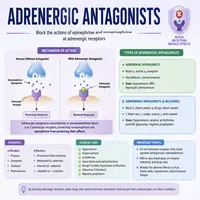
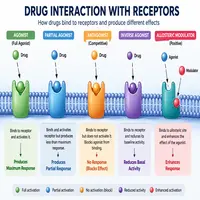
A drug interaction receptor effect occurs when one medication alters how a receptor responds to another drug. This can happen in several ways. For instance, one drug might block a receptor site entirely. Another might increase receptor sensitivity, making a second drug more powerful than intended.
Therefore, the outcome depends heavily on receptor behavior, not just drug chemistry. Two drugs might seem unrelated on paper. Yet, at the receptor level, they compete for the same space.
This is why pharmacologists study receptor pharmacodynamics so closely. Meanwhile, clinicians rely on this research to predict risky combinations before they cause harm.
Types of Receptor-Based Drug Interactions
Receptor interactions generally fall into a few clear categories. Below is a simple breakdown.
| Interaction Type | What Happens | Example Result |
|---|---|---|
| Competitive antagonism | Two drugs compete for the same receptor site | Reduced effect of one drug |
| Receptor upregulation | Long-term use increases receptor numbers | Stronger response to future doses |
| Receptor downregulation | Receptors decrease after repeated stimulation | Weaker drug response over time |
| Synergistic binding | Drugs activate related receptors together | Enhanced combined effect |
| Allosteric modulation | A drug changes receptor shape indirectly | Altered sensitivity to the main drug |
Each mechanism carries different clinical risks. For example, competitive antagonism can quickly reverse a drug’s benefit. On the other hand, synergistic binding might dangerously amplify sedation or blood pressure changes.
A Simple Flowchart of the Process
Here’s how a typical receptor-level interaction unfolds:
Drug A administered
        ↓
Binds to target receptor
        ↓
Receptor sensitivity or availability changes
        ↓
Drug B introduced
        ↓
Drug B's receptor binding is altered
        ↓
Clinical effect: enhanced, reduced, or unpredictable response
This flow shows why timing matters so much. Giving two drugs too close together often increases risk. Spacing doses out, when possible, can reduce receptor overlap.
Real-World Examples Clinicians Watch For
Certain combinations appear again and again in clinical practice. The table below highlights a few well-known cases.
| Drug Combination | Receptor Involved | Risk |
|---|---|---|
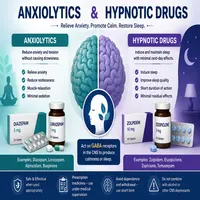
| Opioids + Benzodiazepines | GABA and opioid receptors | Severe respiratory depression |
| SSRIs + MAOIs | Serotonin receptors | Serotonin syndrome |
| Beta-blockers + Beta-agonists | Beta-adrenergic receptors | Blunted or reversed drug effect |
| Antihistamines + Sedatives | Histamine H1 receptors | Excessive drowsiness |
These examples aren’t rare. In fact, they show up in pharmacy alerts nearly every day. Because of this, prescribers double-check receptor profiles before combining certain drug classes.
Why This Matters for Patient Safety
Ignoring receptor-level interactions can lead to serious outcomes. Some reactions are mild, like extra drowsiness. Others are life-threatening, like dangerously low blood pressure or breathing problems.
Older adults face higher risk. Their receptor sensitivity often changes with age. Additionally, they usually take multiple medications at once, which raises the odds of overlap.
Children also need special caution. Their receptor systems are still developing. As a result, standard adult interaction data doesn’t always apply directly to pediatric care.
How Pharmacists and Doctors Reduce the Risk
Healthcare teams use several strategies to catch these issues early. First, they review a patient’s full medication list at every visit. Next, they cross-check new prescriptions against known interaction databases.
Furthermore, many pharmacies use automated alert systems. These systems flag risky receptor overlaps before a prescription is even filled. Doctors also consider timing, dosage adjustments, and alternative medications when a conflict appears.
Patients play a role too. Sharing a complete list of supplements and over-the-counter drugs helps close information gaps. Small details, like an herbal sleep aid, can still affect receptor activity.
Conclusion
Receptors sit at the center of nearly every medication decision. When two drugs influence the same receptor pathway, the results can shift quickly and unpredictably. Understanding this process helps explain why certain drug pairings are avoided while others are carefully monitored.
Ultimately, awareness protects patients. Pharmacists, doctors, and informed patients all play a part in catching these risks early. A little communication about medication history can prevent a serious complication later. Staying proactive remains the simplest way to stay safe.
Frequently Asked Questions
It’s when one medication changes how a receptor responds to another drug, altering the second drug’s strength or safety.
Yes. Common products like antihistamines or decongestants can still affect receptor activity and interact with prescription drugs.
Not always. Some are mild and barely noticeable. Others, however, can cause serious side effects if left unmonitored.
They rely on interaction databases, patient history, and known receptor pharmacology to flag risky combinations early.
Yes. Older adults and young children often show different receptor sensitivity, which changes how they respond to combined medications.