Dental Amalgam: Uses, Safety, and Modern Alternatives
Dental amalgam is a silver-colored filling material used to repair cavities. Dentists have relied on this mixture for over a century because it is strong, affordable, and durable. The material forms when a dentist combines liquid mercury with a powdered alloy of silver, tin, and copper. This reaction creates a putty-like substance that hardens into a solid, tooth-shaped filling within minutes.
Many patients recognize this option as the classic “silver filling.” Meanwhile, newer tooth-colored materials have gained popularity for cosmetic reasons. However, amalgam remains a trusted choice for back teeth that endure heavy chewing forces. Therefore, understanding its composition, benefits, and risks helps patients make informed decisions with their dental provider.
What Does This Filling Material Contain?
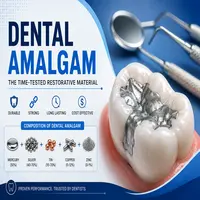
The mixture consists of several metals blended in precise ratios. Each component plays a specific role in strength, setting time, and corrosion resistance.
| Component | Approximate Percentage | Primary Function |
|---|---|---|
| Mercury | 43–54% | Binds the alloy powder into a workable paste |
| Silver | 22–32% | Adds strength and reduces corrosion |
| Tin | 14% | Controls setting time |
| Copper | 8–15% | Increases hardness and durability |
| Zinc | Up to 1% | Acts as an oxygen scavenger during manufacturing |
As shown above, mercury binds the other metals together. Once set, the mercury becomes chemically bound within the alloy matrix. Consequently, the finished filling behaves as a stable solid rather than a liquid.
A Brief History of Amalgam Fillings
Amalgam fillings first appeared in the early 1800s in Europe. Dentists quickly adopted the material because it cost less than gold and set faster than earlier options. Over time, manufacturers refined the alloy ratios to improve strength and reduce expansion problems.
Today, dental schools still teach amalgam placement techniques. In fact, many public health programs continue using this material for large cavities in molars. Meanwhile, private practices increasingly offer composite resin as a first option. Still, amalgam remains part of standard dental training worldwide.
Interestingly, several studies have tracked amalgam fillings that lasted more than 20 years without failure. Such longevity is rare among restorative materials. Consequently, many older patients still carry fillings placed decades ago, with little to no complication. This track record explains why researchers continue referencing amalgam as a benchmark for durability when testing newer alternatives.
How Dentists Place an Amalgam Filling

The placement process follows a consistent sequence. Below is a simple flowchart outlining each step.
Diagnosis of Cavity
        ↓
Local Anesthesia Applied
        ↓
Decayed Tissue Removed
        ↓
Cavity Shaped and Cleaned
        ↓
Amalgam Mixed and Packed
        ↓
Filling Carved to Fit Bite
        ↓
Material Hardens (24 hours)
        ↓
Final Polish at Follow-Up Visit
First, the dentist identifies decay through examination or X-ray. Next, numbing medication keeps the patient comfortable. After that, the dentist removes decayed tissue with a drill. Subsequently, the remaining cavity gets shaped to hold the filling securely.
Once the tooth is prepared, the dentist mixes the amalgam and packs it into place. The material sets within minutes but continues hardening over 24 hours. Finally, a polishing visit smooths rough edges and checks the bite alignment.
Is This Filling Material Safe?
Safety remains the most common question patients ask. Health organizations worldwide, including the FDA and WHO, have studied dental amalgam extensively. Their findings generally support its continued use in adults and children over six years old.
Small amounts of mercury vapor can release during chewing or when a filling is placed or removed. However, research shows these amounts fall well below levels considered harmful. Additionally, the human body clears trace mercury vapor efficiently under normal exposure conditions.
Some groups still exercise caution. Pregnant women, young children, and people with mercury allergies may prefer alternative materials. Furthermore, dentists now discuss these options more openly than in past decades. As a result, patients today have greater control over their treatment choices.
Notably, no major dental association currently recommends removing existing fillings solely due to mercury concerns. Instead, guidelines focus on informed consent before new placements. Meanwhile, ongoing surveillance programs track long-term outcomes across large patient populations. So far, this data continues to support the material’s overall safety profile when used appropriately.
Amalgam vs. Composite: A Quick Comparison
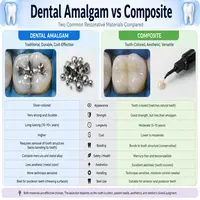
Choosing between filling types depends on location, budget, and personal preference. The table below highlights key differences.
| Factor | Amalgam Filling | Composite Filling |
|---|---|---|
| Appearance | Silver, visible | Tooth-colored, blends in |
| Durability | 10–15 years average | 5–10 years average |
| Cost | Lower | Higher |
| Placement Time | Faster | Slower, requires layering |
| Best Use | Back molars, high-pressure areas | Front teeth, visible areas |
| Tooth Structure Removed | Slightly more | Less, more conservative |
As the table shows, each material offers distinct advantages. For instance, amalgam suits molars where strength matters most. On the other hand, composite suits front teeth where appearance matters more. Therefore, many dentists recommend a combination approach based on tooth location.
Cost also plays a major role in this decision. Insurance plans often cover amalgam fillings at a higher rate, since the material costs less to produce. Composite fillings, in contrast, may involve higher out-of-pocket expenses depending on the plan. Consequently, patients should check their coverage before committing to either option.
Environmental Considerations
Mercury disposal raises valid environmental concerns. Dental offices must follow strict waste-handling rules to prevent mercury from entering water systems. Amalgam separators, now standard equipment in most clinics, capture particles before wastewater leaves the office.
Several countries have also introduced phase-down policies for dental mercury use. Nevertheless, complete removal from dental practice has not occurred, since amalgam still offers unmatched durability for certain cases. Meanwhile, researchers continue developing mercury-free alternatives that match its strength.
Patients can support these efforts too. For example, choosing a clinic with proper separator equipment helps reduce environmental release. Additionally, never disposing of old fillings in household trash prevents unnecessary contamination. Small steps like these, taken collectively across many clinics, add up to a meaningful environmental impact over time.
Removing or Replacing Old Fillings
Patients sometimes ask whether existing fillings need replacement. In most cases, a well-placed filling with no cracks or decay can remain for many years. Removing an intact filling without medical reason can expose healthy tooth structure to unnecessary risk.
However, replacement becomes necessary when decay develops underneath the filling. Similarly, a cracked or leaking filling should be addressed promptly. A qualified dentist can evaluate the filling’s condition through examination and imaging before recommending any action.
If replacement is needed, the dentist will carefully remove the old material using proper suction and ventilation. This process minimizes exposure during removal. Afterward, the dentist can place either a new amalgam filling or a composite alternative, depending on the patient’s preference and the tooth’s condition.
Caring for an Amalgam Filling
Proper care extends the life of any filling significantly. Brushing twice daily and flossing once a day remove plaque that could otherwise cause decay around the filling’s edges. Additionally, routine checkups allow a dentist to catch small problems before they grow larger.
Certain habits, however, can shorten a filling’s lifespan. Grinding teeth at night, chewing ice, or biting hard objects places excessive stress on the material. Over time, this stress may cause cracks or chips. Therefore, wearing a nightguard and avoiding hard foods can protect both the filling and the surrounding tooth structure.
Occasionally, patients notice mild sensitivity right after placement. This sensation usually fades within a few days as the tooth adjusts. If sensitivity persists beyond two weeks, a follow-up visit is recommended.
Conclusion
Dental amalgam has served patients reliably for more than a hundred years. Its strength, affordability, and proven safety record explain its lasting presence in dentistry. At the same time, newer materials now give patients more choices based on appearance, cost, and personal health considerations.
Ultimately, the right filling depends on the tooth’s location, the size of the cavity, and individual preference. Consulting a trusted dentist remains the best way to weigh these factors. With accurate information, patients can feel confident about their treatment decisions, whether they choose amalgam or a modern alternative.
Before your next appointment, consider writing down any questions about filling options, cost, or long-term care. A brief conversation with your dentist can clarify which material fits your specific needs. In the end, informed patients tend to feel more satisfied with their dental outcomes over time.
Frequently Asked Questions
Yes. Many dentists still use this material for durable back-tooth fillings, especially in high-pressure chewing areas.
No. Studies show the mercury vapor released during normal use stays far below levels considered dangerous to health.
Most fillings last between 10 and 15 years with proper oral hygiene and regular dental checkups.
Many dentists recommend discussing alternatives with pregnant patients as a precaution, even though strong evidence of harm is lacking.
Neither material is universally better. Composite suits visible front teeth, while amalgam often performs better in molars under heavy chewing pressu