Sterilization and Disinfection
Every pathology lab handles samples that carry real risk. Blood, tissue, body fluids, and cultures can all hide dangerous microbes. Because of this, sterilization and disinfection form the backbone of lab safety. Without proper protocols, infections spread fast, and results become unreliable.
This guide breaks down what these terms mean, why they matter, and how labs apply them daily. We will also look at common methods, equipment, standard protocols, and mistakes to avoid. By the end, you will have a clear picture of how to keep any pathology setting safe and compliant.
What Do Sterilization and Disinfection Actually Mean?
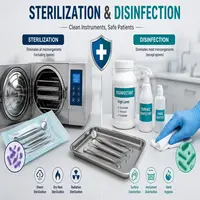
Sterilization removes every living microorganism from a surface or object. That includes bacteria, viruses, fungi, and even resistant spores. Nothing survives the process.
Disinfection, on the other hand, reduces microbial load to a safer level. It kills most harmful organisms but not always spores. So, disinfection is less intense than the other process, yet still essential for daily lab work.
Both approaches matter in pathology. However, they serve different purposes. Surgical instruments usually need full microbial elimination. Countertops and floors often just need routine cleaning with an approved agent.
Understanding this distinction shapes almost every decision a lab makes. Staff must ask a simple question before touching any item: how deep does this object go, and what does it touch next? The answer determines which process applies.
Why Pathology Labs Cannot Skip These Steps
Labs process infectious material constantly. Consequently, a single lapse can expose staff to serious pathogens like Hepatitis B, HIV, or tuberculosis. Cross-contamination between samples also skews diagnostic results, which can mislead treatment decisions.
Additionally, many countries enforce strict biosafety laws. Labs that ignore these rules risk fines, shutdowns, or worse: patient harm. Therefore, trained staff must follow clear protocols every single day, not just during audits.
Good hygiene habits also protect the wider community. Pathogens that escape a lab setting can trigger outbreaks. So, this is not just an internal concern; it affects public health broadly.
Moreover, insurance providers and accreditation bodies now review these practices closely. A lab with weak infection control can lose certification fast. Meanwhile, patients increasingly ask about safety standards before choosing a facility. Consequently, strong hygiene protocols also become a business advantage, not just a legal requirement.
Common Methods of Sterilization
Several sterilization techniques exist, and each suits different materials. Below is a simple breakdown.
| Method | How It Works | Best Used For |
|---|---|---|
| Autoclaving | Steam under high pressure | Surgical tools, glassware |
| Dry Heat | Hot air at high temperature | Metal instruments, powders |
| Ethylene Oxide Gas | Chemical gas exposure | Plastic, heat-sensitive items |
| Radiation | Gamma or UV rays | Disposable medical supplies |
| Filtration | Passes liquid through fine filters | Heat-sensitive liquids, media |
Autoclaving remains the gold standard in most pathology labs. It is fast, reliable, and affordable. Meanwhile, ethylene oxide gas works well for plastics that heat would melt or warp.
Dry heat suits items that steam might corrode, such as certain metal blades. Radiation, by contrast, mainly serves manufacturers producing single-use medical supplies at large scale. Filtration remains the only practical option for liquids that cannot tolerate heat at all, such as certain enzyme solutions or serum samples.
Common Methods of Disinfection
Disinfection uses different tools and chemicals compared to sterilization. Labs typically choose based on the surface type and the microbe risk involved.
- Chemical disinfectants: Alcohol, chlorine, and iodine solutions wipe out most pathogens quickly.
- UV light disinfection: Ultraviolet rays damage microbial DNA, stopping reproduction.
- Heat disinfection: Boiling water or moist heat lowers microbial counts effectively.
- Fumigation: Gas-based disinfection clears entire rooms, useful after an outbreak.
Each option has trade-offs. Chemical disinfectants act fast but may damage certain equipment over time. UV light is gentle on surfaces, yet it cannot reach shadowed or covered areas. Because of this, labs often combine multiple methods for full coverage.
Staff should also rotate disinfectants occasionally. Some microbes build tolerance to a single chemical over repeated exposure. Switching formulas every few months keeps pathogens from adapting and protects long-term effectiveness.
A Simple Flowchart: Choosing the Right Process
Sometimes staff struggle to decide between sterilization and disinfection. This flowchart simplifies the decision.
                START
                  |
     Does the item touch sterile
      tissue or enter the body?
                  |
        ---------------------
        |                   |
       YES                  NO
        |                   |
   STERILIZE            Does it contact
   (Autoclave/          broken skin or
   Gas/Radiation)       mucous membranes?
                              |
                   ---------------------
                   |                   |
                  YES                  NO
                   |                   |
          HIGH-LEVEL DISINFECT   LOW-LEVEL DISINFECT
          (Chemical/UV)          (Routine cleaning)
This simple guide, sometimes called the Spaulding Classification, helps labs sort instruments correctly. It saves time and reduces guesswork during busy shifts.
Step-by-Step Protocol in a Pathology Lab
A typical lab workflow follows these steps consistently:
- Collection: Handle all samples with gloves and proper containers.
- Pre-cleaning: Remove visible debris before any disinfection begins.
- Disinfection or Sterilization: Apply the correct method based on item type.
- Drying: Allow instruments to dry fully before storage.
- Storage: Keep sterilized tools in sealed, labeled packaging.
- Documentation: Record every cycle for audit and safety tracking.
Skipping any step weakens the entire chain. For instance, pre-cleaning matters because leftover organic material can shield microbes from heat or chemicals. As a result, even a proper autoclave cycle might fail to sterilize fully.
Common Mistakes Labs Should Avoid
Many labs fall into predictable traps. First, overloading an autoclave prevents steam from reaching every surface. Second, using expired chemical disinfectants weakens their killing power significantly. Third, skipping regular equipment calibration leads to false confidence in results.
Furthermore, staff sometimes reuse disinfectant wipes across multiple surfaces. This spreads contamination instead of removing it. Similarly, inconsistent contact time with chemical solutions reduces effectiveness. Most disinfectants need several minutes of contact to work properly, not just a quick wipe.
Regular training helps prevent these errors. Labs that schedule refresher courses tend to report fewer safety incidents overall.
Monitoring and Quality Control
Sterilization and disinfection processes need regular verification, not blind trust. Biological indicators, like spore strips, confirm whether an autoclave cycle actually killed resistant organisms. Chemical indicators change color to show a cycle ran correctly.
Labs should test equipment weekly at minimum. Additionally, logs must record temperature, pressure, and exposure time for every cycle. This documentation protects the lab during inspections and builds trust with patients and partners.
Without monitoring, a lab cannot truly know if its methods work. Consequently, quality control is not optional; it is a core part of patient safety.
Comparing Sterilization vs Disinfection
| Feature | Sterilization | Disinfection |
|---|---|---|
| Kills spores | Yes | Usually no |
| Speed | Slower | Faster |
| Cost | Higher | Lower |
| Common tools | Autoclave, gas | Chemicals, UV |
| Typical use | Surgical instruments | Surfaces, floors |
This table highlights why labs cannot rely on one method alone. Instead, they need a layered approach that matches risk level to the correct process.
The Role of Personal Protective Equipment
Protocols alone cannot protect a lab without proper gear. Gloves, gowns, masks, and face shields form the first barrier between staff and infectious material. Consequently, PPE use should never feel optional, even during a quick task.
Staff should also change gloves between samples. Reusing a single pair across multiple specimens defeats the purpose of any cleaning routine that follows. Similarly, proper hand hygiene after glove removal matters just as much as the gloves themselves.
Training programs often overlook PPE disposal. Used gowns and masks belong in designated biohazard bins, not regular trash. This small habit prevents accidental exposure for cleaning staff and reduces overall infection risk across the facility.
Conclusion
Sterilization and disinfection protect everyone inside a pathology lab, from technicians to patients waiting on results. These processes are not interchangeable; each plays a distinct role in infection control. Autoclaving, chemical wipes, UV light, and proper protocols all work together to build a safer environment.
Labs that invest in training, monitoring, and quality checks see fewer errors and stronger outcomes. Ultimately, consistent habits matter more than expensive equipment. A well-trained team following clear steps can prevent most contamination risks before they start.
If your lab has not reviewed its protocols recently, now is a good time. Small gaps in these routines can lead to big consequences down the line.
Frequently Asked Questions
Sterilization kills all microorganisms, including spores. Disinfection reduces most pathogens but often leaves spores behind. So, sterilization is the stronger, more complete process.
Autoclaving is usually the top choice. It uses steam and pressure to destroy even resistant organisms quickly and reliably.
Most guidelines recommend weekly biological indicator tests. However, high-volume labs may test more often to stay safe.
No. Chemical disinfectants lower microbial counts but rarely eliminate spores. Items entering sterile body tissue still require full sterilization.
Human error, rushed schedules, and equipment overloading remain common causes. Regular training and strict monitoring help reduce these risks significantly.