Oral Mucosa: Structure, Types and Functions
Your mouth holds more secrets than you think. Beneath every bite, sip, and smile lies a soft tissue that quietly protects your whole body. This tissue is called the oral mucosa. It lines the cheeks, gums, tongue, and palate while shielding deeper structures from bacteria, heat, and friction. Therefore, understanding this tissue matters for anyone who cares about oral health. In this article, we explore its structure, types, and functions, and we share simple tips to keep it strong and healthy.
What Is the Oral Mucosa?
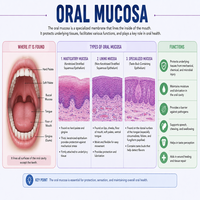
This moist tissue lines the entire inside of the mouth. It covers the cheeks, lips, gums, tongue, floor of the mouth, and both the hard and soft palate. This tissue acts as a protective barrier. It stops harmful microbes from slipping into the bloodstream. Moreover, it helps you taste, chew, and speak with ease.
Unlike skin, this lining stays moist at all times. Saliva keeps it soft and flexible. As a result, it can stretch and bend without cracking. This flexibility supports everyday actions like chewing, swallowing, and talking. In fact, a dry mouth quickly reveals just how much this constant moisture matters, since eating and speaking both become noticeably harder without it.
Dentists and researchers study this tissue closely. Why? Because early signs of many diseases first appear here. For instance, infections, vitamin deficiencies, and even oral cancer often show visible changes in this lining. So, regular dental checkups can catch problems long before they become serious.
Interestingly, this tissue also renews itself constantly. Old cells shed and fresh cells replace them within days. Consequently, minor cuts or bites usually heal much faster inside the mouth than similar injuries on the skin. Scientists still study exactly how this rapid turnover works, hoping the findings might one day speed up wound healing elsewhere in the body.
Types of This Protective Lining
Not all mucosal tissue in the mouth looks or behaves the same way. Scientists classify it into three main types based on location and job. Each type serves a distinct purpose, and together they keep your mouth working smoothly.
| Type | Location | Key Feature |
|---|---|---|
| Masticatory mucosa | Gums and hard palate | Tough, keratinized, resists friction |
| Lining mucosa | Cheeks, lips, floor of mouth | Soft, non-keratinized, flexible |
| Specialized mucosa | Top surface of the tongue | Contains taste buds, rough texture |
Masticatory mucosa handles constant pressure from chewing tough foods. Lining mucosa allows free movement of the cheeks and lips during speech. Specialized mucosa helps you sense sweet, salty, sour, and bitter flavors. Together, these three types work as a team to keep your mouth functional, comfortable, and safe from daily wear.
Each type also differs in thickness and toughness. Masticatory mucosa, for example, contains a tough keratin layer that resists scraping from hard food. Lining mucosa, however, lacks this keratin layer, so it stays thinner and stretches more easily. Specialized mucosa sits somewhere in between, combining strength with sensitivity so it can survive daily friction while still detecting flavor.
Layers and Structure
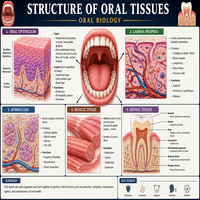
This tissue has a layered structure, much like skin does. Understanding these layers helps explain how it protects the body so effectively.
First, the epithelium forms the outer layer facing the mouth’s interior. Next, the basement membrane connects the epithelium to deeper tissue beneath it. Then, the lamina propria provides strength while housing blood vessels and nerves. Finally, in some regions, a submucosa layer attaches everything to muscle or bone.
Each layer plays a distinct role. The epithelium blocks germs from entering deeper tissue. The lamina propria supplies nutrients and immune cells. Meanwhile, the submucosa anchors everything firmly in place. Consequently, damage to any single layer can weaken the whole protective system.
Here is a simple flow that shows how this lining defends your mouth every single day:
Food, bacteria, or heat enters the mouth
              ↓
Epithelium blocks direct contact
              ↓
Saliva neutralizes acids and washes away debris
              ↓
Lamina propria supports the local immune response
              ↓
Healthy tissue regenerates and repairs itself
This cycle repeats constantly, often without you ever noticing it happening.
Key Functions
The oral mucosa performs many vital jobs at once, far more than simply covering the mouth. Below are its most important roles.
- It protects against bacteria, viruses, and physical injury.
- Taste perception depends heavily on its specialized receptors.
- Speech becomes clearer thanks to its flexible movement.
- Chewing and swallowing feel smoother because of its texture.
- Healing happens quickly, thanks to a rich local blood supply.
This tissue absorbs certain medications quickly. This is why some drugs, like nitroglycerin, dissolve under the tongue for fast action. Similarly, researchers now explore this route for future drug delivery methods, since it bypasses the digestive system entirely. Vaccines and pain relievers are among the options currently under study for this purpose.
This tissue also plays a small but real role in temperature sensing. Hot coffee or icy water triggers nerve endings here long before the throat ever registers the change. Because of this quick feedback, people usually pull back from harmful heat before real damage occurs. Pain signals work the same way, warning you instantly about sharp edges, biting your cheek, or overly hard food.
Common Disorders Affecting This Lining
Various conditions can affect this delicate tissue, and awareness helps you spot problems early.
Oral thrush occurs when yeast overgrows, creating white, cottage-cheese-like patches on the cheeks and tongue. This condition often appears after antibiotic use or in people with weakened immune systems.
Leukoplakia causes thick white patches that sometimes signal precancerous changes, especially in tobacco users. Dentists usually recommend a biopsy if these patches do not clear up on their own.
Lichen planus leads to lacy white lines or painful sores, and its exact cause remains unclear even today. Aphthous ulcers, commonly known as canker sores, cause small but painful round lesions that usually heal within two weeks. Oral cancer, meanwhile, may start as a persistent sore, red patch, or firm lump that does not heal.
If you notice unusual changes lasting more than two weeks, consult a dentist promptly. Early diagnosis almost always leads to simpler, less invasive treatment. Ignoring symptoms, however, can allow minor issues to progress into serious ones.
Dentists often check this lining first during a routine exam, well before they look at the teeth themselves. Color, texture, and moisture levels all offer quick clues about a patient’s overall health.
For example, pale patches may hint at anemia, while dry, cracked areas may point toward dehydration or certain autoimmune conditions. Meanwhile, swollen or bleeding tissue often signals gum disease or poor nutrition. Because these signs appear early, dentists can sometimes catch systemic health problems before a patient even notices symptoms elsewhere in the body.
Tips to Keep This Lining Healthy
Simple daily habits protect this tissue effectively and cost almost nothing.
First, brush gently twice a day using a soft-bristled brush. Second, avoid tobacco products and limit alcohol intake. Third, stay well hydrated to support steady saliva production. Fourth, eat a balanced diet rich in vitamins A, C, and B12. Finally, visit your dentist regularly so small issues get caught early.
Furthermore, try to avoid overly hot or spicy foods if you notice frequent irritation. Meanwhile, using a soft-bristled toothbrush instead of a hard one reduces unnecessary friction. Sugary snacks deserve caution too, since leftover residue can feed bacteria and trigger inflammation over time. These small changes add up to real, long-term benefits for your entire mouth. Most people notice fresher breath and fewer sore spots within just a few weeks.
Conclusion
The oral mucosa plays a quiet but powerful role in your daily life. It protects, senses, and heals your mouth every single day, often without you noticing the work it does. Understanding its structure and function helps you appreciate why oral care matters so much. Simple habits, like gentle brushing, good hydration, and regular dental visits, keep this tissue strong for years to come. Take care of it, and it will continue to protect you in return.
Frequently Asked Questions
It is a moist protective layer covering the inside of the mouth, including the cheeks, gums, tongue, and palate.
They are masticatory mucosa, lining mucosa, and specialized mucosa, each with its own location and role.
A rich blood supply and constant moisture from saliva speed up tissue repair inside the mouth.
Yes. Persistent white patches, sores, or lumps may point to infection, a deficiency, or in rare cases, oral cancer.
Brush gently, avoid tobacco, stay hydrated, eat a balanced diet, and see your dentist regularly.