The Brainstem: Structure, Function, and Why It Matters
Your body runs on autopilot more than you realize. Breathing, heartbeat, and swallowing happen without any conscious effort. Behind these automatic actions sits a small but powerful structure: the brainstem. This part of the central nervous system connects your brain to your spinal cord. It also controls many life-sustaining functions every second of the day.
Doctors consider this region one of the most critical parts of human anatomy. Even minor damage here can cause serious, sometimes life-threatening problems. Therefore, understanding how it works helps you appreciate its importance. In this article, you’ll learn about its structure, functions, common disorders, and simple ways to protect it.
What Is This Part of the Brain?
This structure sits at the base of the brain, just above the spinal cord. It measures only a few inches long, yet it manages some of the most critical functions in your body. Doctors often call it the “control center” for survival functions.
Without it, breathing and heart rate would stop almost instantly. As a result, any injury to this area is treated as a medical emergency. Additionally, this structure links the cerebrum, cerebellum, and spinal cord together. Signals from your brain travel through it before reaching the rest of your body. Meanwhile, sensory information from your body passes back through it on the way to your brain.
Main Parts of the Structure
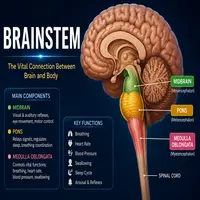
This region is not a single unit. Instead, it contains three main sections, each with distinct roles. The table below breaks these sections down clearly.
| Part | Location | Primary Role |
|---|---|---|
| Midbrain | Top section | Vision, hearing, eye movement |
| Pons | Middle section | Sleep regulation, breathing, facial sensation |
| Medulla Oblongata | Lower section | Heart rate, blood pressure, breathing rhythm |
Each part works closely with the others. For instance, the medulla oblongata regulates your heartbeat around the clock. Meanwhile, the pons helps coordinate movement between the left and right sides of your body. Finally, the midbrain processes quick reflexes, such as blinking at sudden bright light.
How Signals Travel: A Simple Flowchart
Understanding the flow of information makes this topic easier to grasp. Here’s a simplified flowchart showing how signals move through the system:
Brain (Cerebrum)
      ↓
Midbrain → vision & hearing reflexes
      ↓
Pons → breathing & sleep regulation
      ↓
Medulla Oblongata → heart rate & blood pressure
      ↓
Spinal Cord → rest of the body
This chain explains why damage anywhere along the pathway can disrupt essential body functions. Consequently, even a small lesion can create widespread effects throughout the body.
Functions That Keep You Alive
This structure handles far more than simple reflexes. Below is a quick list of its major functions:
- Controls breathing rate and rhythm
- Regulates heart rate and blood pressure
- Manages swallowing and coughing reflexes
- Coordinates eye movement and facial expressions
- Influences sleep-wake cycles
- Relays motor and sensory signals between brain and body
Doctors frequently use reflex tests to check for severe brain injury or coma. For example, the pupillary light reflex checks whether the eyes respond correctly to light. Similarly, the gag reflex test evaluates lower cranial nerve function. Both tests offer quick, reliable clues about neurological health.
Common Disorders and Warning Signs
Several conditions can affect this vital area. Stroke, tumors, and traumatic injury are the most common causes of damage. However, infections and degenerative diseases can also play a role.
| Condition | Possible Symptoms |
|---|---|
| Brainstem Stroke | Dizziness, slurred speech, sudden weakness |
| Brainstem Tumor | Headaches, vision changes, balance problems |
| Locked-in Syndrome | Paralysis with intact consciousness |
| Multiple Sclerosis | Numbness, coordination difficulties |
Early diagnosis matters greatly in every case. Therefore, anyone experiencing sudden dizziness, slurred speech, or facial numbness should seek medical help immediately. Quick action often makes the difference between full recovery and lasting damage.
Ways to Support Long-Term Health
Fortunately, simple lifestyle habits support overall neurological health. Eating a balanced diet reduces stroke risk significantly. Regular exercise improves blood flow throughout the brain and body.
Additionally, managing blood pressure protects delicate blood vessels in this region. Avoiding smoking and excessive alcohol also lowers your overall risk. Finally, routine medical checkups help catch problems early, before they become severe. Small daily habits, over time, add up to meaningful protection.
Conclusion
The brainstem may be small, but it plays an enormous role in keeping you alive. It controls breathing, heart rate, and countless reflexes every single second. Moreover, it connects your brain to the rest of your nervous system, acting as a vital communication bridge.
Protecting this structure through healthy habits can reduce your risk of serious complications. If you ever notice symptoms like sudden dizziness or slurred speech, don’t wait. Seek medical attention right away, since early treatment often leads to far better outcomes.
Frequently Asked Questions
It controls essential survival functions, including breathing, heart rate, and reflexes. It also connects the brain to the spinal cord.
It sits at the base of the brain, right above the spinal cord, beneath the cerebrum and cerebellum.
Survival depends on the severity and exact location of the damage. Minor injuries may allow recovery, but severe damage is often fatal.
Symptoms include dizziness, slurred speech, facial numbness, and balance issues. Sudden onset of these signs requires urgent care.
Maintain healthy blood pressure, exercise regularly, avoid smoking, and schedule routine medical checkups.