Introduction to Orthodontics
A straight smile does more than look good. It also helps you chew, speak, and clean your teeth with ease. That is where orthodontics comes in. This branch of dentistry corrects crooked teeth and misaligned jaws. Our introduction to orthodontics covers the basics in plain language. You will find two tables, a simple flowchart, and five common questions answered. Maybe you are curious for yourself. Or perhaps you are asking for your child. Either way, start here.
What Is Orthodontics?
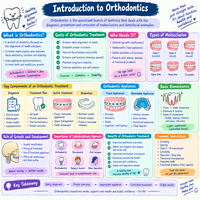
Orthodontics is a specialty of dentistry. It focuses on moving teeth into better positions. Orthodontics also guides jaw growth in young patients. The goal is a healthy, comfortable bite that lasts.
Interestingly, the word itself comes from Greek. “Ortho” means straight, and “dont” means tooth. Orthodontists spend extra years training after dental school. They study how teeth, bones, and muscles work together. That knowledge helps them plan safe, steady movement.
Treatment is not only about looks. Crowded teeth trap plaque and food. Misaligned bites can wear down enamel over time. Jaw problems may cause pain or headaches. Straightening teeth often solves several problems at once. Many patients feel more confident after treatment, too.
How Teeth Actually Move
Teeth sit in bone, held by a soft ligament. When you apply gentle, steady pressure, the bone slowly remodels. Bone dissolves on the pressure side and rebuilds on the other. This natural process lets teeth shift without damage.
Speed matters here. Moving teeth too fast can harm roots and bone. For that reason, orthodontists use light forces and regular adjustments. Most teeth move about a millimeter each month. Patience pays off with stable, lasting results.
Biology plays a role, too. Children often respond faster because their bone is more active. Adults can still improve their smiles, though treatment may take longer. Healthy gums are essential at any age. Therefore, your dentist checks your gums before any braces go on.
Common Problems Orthodontists Treat
Many bite problems have names that sound complicated. Yet the ideas are simple. Crowding means teeth lack enough room. Spacing means gaps remain between teeth. Each issue affects both comfort and cleaning.
Bite problems involve how the upper and lower teeth meet. An overbite means the upper teeth cover too much of the lower ones. Underbite describes the opposite problem. A crossbite places some upper teeth inside the lower ones. An open bite leaves a gap when you close your mouth.
Left alone, these problems can grow worse. Crowding makes brushing harder, which raises the risk of decay. Uneven biting forces can wear teeth unevenly. Some patients also struggle with speech or chewing. The table below summarizes the most common issues.
| Problem | What It Means | Possible Effect |
|---|---|---|
| Crowding | Not enough space for all teeth | Hard-to-clean areas and decay |
| Spacing | Gaps between teeth | Food trapping and gum irritation |
| Overbite | Upper teeth overlap lower teeth too much | Wear and jaw strain |
| Underbite | Lower teeth sit ahead of upper teeth | Chewing difficulty |
| Crossbite | Upper teeth bite inside lower teeth | Uneven wear and gum recession |
| Open bite | Front teeth do not meet | Speech and biting problems |
How Orthodontic Diagnosis Works
Every good plan starts with careful records. Your orthodontist begins with a full dental exam. They check your bite, jaw movement, and facial balance. Habits like thumb sucking or teeth grinding come up in the conversation too.
Next, imaging adds the missing details. A panoramic X-ray shows every tooth, including those still hidden in bone. Meanwhile, a side-view skull X-ray, called a cephalogram, reveals jaw relationships. Many offices now use 3D scans for even finer detail.
Digital scanners have replaced messy impression trays in many clinics. A small wand captures your teeth in minutes. Software then builds a model you can see on screen. Some systems even preview your final smile. This technology improves both accuracy and comfort.
Treatment Options: Braces, Aligners, and More
Today you have more choices than ever. Traditional metal braces remain the most common option. They use brackets, wires, and small bands. Even complex cases respond very well to them. Modern versions are smaller and more comfortable than older designs.
Ceramic braces work the same way but blend in with your teeth. Lingual braces sit behind the teeth and stay hidden. Clear aligners offer a removable alternative. You wear a series of trays. Every few weeks, you switch to a new set.
Each option has trade-offs. Aligners look discreet, yet they require discipline. You must wear them about 22 hours a day. Braces work around the clock without relying on you. Cost and treatment time vary as well. Your orthodontist will recommend the best fit for your case. The table below compares the main choices.
| Option | Appearance | Removable? | Best For |
|---|---|---|---|
| Metal braces | Visible | No | Complex cases and teens |
| Ceramic braces | Tooth-colored | No | Adults who want discretion |
| Lingual braces | Hidden behind teeth | No | Patients seeking invisibility |
| Clear aligners | Nearly invisible | Yes | Mild to moderate cases |
The Best Age to Start Treatment
Many parents ask when to begin. The American Association of Orthodontists suggests a first check by age seven. At that age, a mix of baby and adult teeth shows early problems. Most children do not need braces right away. Still, early monitoring helps catch issues while the jaw is growing.
Early treatment, sometimes called Phase One, can guide jaw growth. It may create space for incoming teeth. In some cases, it prevents the need for extractions later. A second phase usually follows in the teen years.
Adults are not left out. About one in four orthodontic patients is an adult. Healthy teeth can move at any age. Adults often choose clear aligners or ceramic braces. Gum health and bone support simply need to be in good shape.
What to Expect: The Treatment Journey
Knowing the steps makes treatment less intimidating. Every case begins with a consultation. Your orthodontist reviews your history and examines your mouth. X-rays and photos help map out a plan.
Next comes the active phase. Braces or aligners start moving your teeth. You visit every four to ten weeks for adjustments. Most treatment lasts between 12 and 30 months. Your commitment to care makes a real difference to the timeline.
Finally, retention begins. Teeth want to drift back to their old spots. Retainers hold them in place while the bone settles. Many orthodontists recommend wearing retainers at night for years. The flowchart below shows the full path from start to finish.
          Initial consultation and exam
                      |
                      v
        X-rays, photos, and digital scans
                      |
                      v
          Diagnosis and treatment plan
                      |
                      v
        Choose braces or clear aligners
                      |
                      v
       Active treatment (adjustment visits)
                      |
                      v
        Braces removed or aligners finished
                      |
                      v
         Retainers to hold the new smile
                      |
                      v
          Long-term check-ups and care
Risks, Limits, and Realistic Expectations
Orthodontics is safe, yet no treatment is perfect. Some patients develop white spots from poor cleaning. Others notice mild root shortening, which rarely causes problems. Gum irritation is common if hygiene slips.
Results also depend on your cooperation. Broken brackets slow progress. Missed appointments delay adjustments. Forgetting elastics or aligners can add months. Honest teamwork between you and your orthodontist makes the biggest difference.
Some problems need more than braces. Severe jaw mismatches may require surgery. Your orthodontist will explain these options clearly. Setting realistic goals early prevents disappointment later. Ask questions at every stage. Informed patients tend to feel happier with their results.
Caring for Your Teeth During Treatment
Oral hygiene needs extra attention with braces. Food and plaque collect around brackets and wires. Brush after every meal if you can. A soft brush and fluoride toothpaste work well.
Cleaning between teeth is equally important. Floss threaders and interdental brushes reach tight spots. A water flosser can also help. Skipping this step risks white marks and cavities. Gum inflammation is another common issue.
Diet matters, too. Sticky and hard foods can break brackets. Candy, popcorn, and ice are common culprits. Sugary drinks feed bacteria around the hardware. Keep your regular dental visits throughout treatment. Your dentist will watch for early problems and keep your gums healthy.
Conclusion
Orthodontics offers far more than a prettier smile. It improves bite function, makes cleaning easier, and protects teeth for years. As we have seen, modern options fit nearly every age and budget. Early check-ups spot problems while they are simple to fix. Success depends on good planning, steady care, and faithful retainer wear. If you wonder whether treatment could help you, book a consultation. One conversation can start the journey toward a healthier, more confident smile.
Frequently Asked Questions
Experts suggest a first check around age seven. Most children do not need treatment yet, but early monitoring helps.
No. Healthy teeth can move at any age. Many adults choose clear aligners or ceramic braces.
Most cases last 12 to 30 months. Complexity, age, and cooperation all affect the timeline.
You may feel soreness for a few days after adjustments. Over-the-counter pain relief and soft foods usually help.
Teeth tend to drift back toward their old positions. Retainers hold them steady while the bone stabilizes.