Pharmacology in Endodontics: Medications Behind Root Canal Care
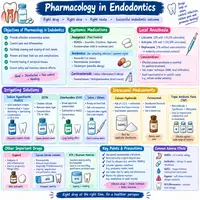
Medications play a quiet but essential role in every root canal visit. Drugs support nearly every stage of treatment. They numb the tooth and manage pain afterward. This is the world of pharmacology in endodontics. In this guide, we explore the main medication categories dentists rely on. We also explain why each one matters. You will find two tables, a simple flowchart, and five common questions answered. Understanding these medications helps you feel more informed before your next visit.
Why Medications Matter in Endodontic Care
Root canal treatment addresses infection and inflammation inside a tooth. Medications support this process at nearly every step. Without proper pain control, treatment would be unbearable for most patients. Poor infection management, meanwhile, could seriously compromise healing.
Each medication serves a specific purpose during care. Some numb the area completely during the procedure itself. Others calm inflammation or pain in the days that follow. A smaller group targets infection directly when bacteria spread beyond the tooth.
Choosing the right medication requires careful judgment. Your dentist considers your medical history, allergies, and current medications first. They also weigh the specific clinical situation at hand. This thoughtful approach keeps treatment both effective and safe.
Local Anesthetics: Making Treatment Comfortable
Local anesthesia forms the foundation of comfortable endodontic treatment. These medications block nerve signals in a specific area temporarily. As a result, you feel pressure or vibration, but not sharp pain. This numbing effect typically lasts one to several hours.
Lidocaine remains the most commonly used local anesthetic in dentistry. It works quickly and reliably for most patients. Articaine offers another popular option, often chosen for its ability to penetrate bone effectively. Both medications come combined with a small amount of epinephrine in most cases.
Epinephrine serves an important purpose here. It constricts blood vessels near the injection site. This action slows how quickly the anesthetic disperses, extending numbness duration. It also reduces bleeding, improving visibility during treatment. For patients with certain heart conditions, dentists may select an epinephrine-free alternative instead.
How Dentists Choose the Right Anesthetic
Several factors guide this choice for each patient. Medical history comes first, since certain heart or liver conditions limit specific options. Allergies also narrow the field considerably. A documented local anesthetic allergy requires careful alternative selection.
The specific tooth being treated matters too. Lower back teeth often need stronger or longer-acting anesthetics due to denser bone. Upper teeth generally numb more easily and quickly. Previous experiences with anesthesia also inform this decision.
Patient anxiety plays a role as well. Some patients benefit from combining local anesthesia with mild sedation. This combination helps nervous patients relax while staying fully numb. Open communication before treatment helps your dentist choose the most comfortable approach.
Managing Pain After Treatment
Mild discomfort after root canal treatment is common and expected. Fortunately, effective options exist to manage this temporary pain. Over-the-counter medications usually handle most post-treatment discomfort well. Nonsteroidal anti-inflammatory drugs, often called NSAIDs, frequently serve as the first choice.
Ibuprofen works particularly well because it reduces both pain and inflammation together. Many dentists recommend taking it on a schedule for the first day or two. Combining ibuprofen with acetaminophen can enhance relief for some patients. This combination often works better than either medication alone.
For patients who cannot take NSAIDs, acetaminophen alone remains a reliable alternative. Stronger prescription pain relievers are rarely necessary for routine cases. Dentists reserve these medications for unusually severe or complicated situations only. The table below summarizes common pain management options after treatment.
| Medication | Primary Use | Key Consideration |
|---|---|---|
| Ibuprofen | Pain and inflammation relief | Avoid with certain stomach or kidney conditions |
| Acetaminophen | Pain relief without anti-inflammatory effect | Safe alternative for NSAID-sensitive patients |
| Ibuprofen plus acetaminophen | Enhanced combined relief | Often used together for moderate discomfort |
| Prescription analgesics | Severe, complicated pain only | Reserved for specific clinical situations |
Antibiotics: When and Why They Are Used
Antibiotics do not belong in every root canal case. In fact, most endodontic infections respond well to treatment alone, without antibiotics at all. Cleaning and disinfecting the canal system typically resolves localized infection effectively. This distinction surprises many patients who expect automatic antibiotic prescriptions.
However, certain situations do call for antibiotic support. Spreading infection, visible facial swelling, or fever often signal the need for systemic treatment. In these cases, antibiotics help control infection that has moved beyond the tooth itself. Amoxicillin frequently serves as the first-choice antibiotic in these situations.
For patients allergic to penicillin-based drugs, clindamycin often serves as a reliable alternative. Dentists always review allergy history carefully before prescribing. Overuse of antibiotics carries real risks, including resistance and unnecessary side effects. Therefore, responsible prescribing remains a key principle throughout endodontic care.
Medications for Intracanal Use
Some medications work directly inside the tooth rather than throughout the body. Calcium hydroxide is one of the most widely used intracanal medicaments. It creates a highly alkaline environment that kills remaining bacteria effectively. Dentists often place it between appointments for complex cases.
This medication also supports healing in specific situations. It can encourage the formation of a protective barrier near the root tip. Additionally, it helps control persistent inflammation in certain stubborn cases. Several days to weeks may pass before the next treatment step.
Other intracanal medications serve more specialized purposes. Antibiotic pastes sometimes treat specific resistant infections directly within the canal. Sedative dressings occasionally calm particularly inflamed tissue between visits. Each option gets selected based on the specific clinical picture presented.
Special Considerations for Certain Patients
Not every patient responds to medications the same way. Pregnant patients require extra caution with certain drug choices. Dentists typically avoid specific medications and adjust dosing during pregnancy. Close communication with the patient’s physician often guides these decisions.
Patients with chronic health conditions also need careful consideration. Kidney or liver disease can affect how the body processes certain medications. Blood thinners may interact with some pain relievers, raising bleeding risk. Dentists review a full medication list before prescribing anything new.
Allergies deserve particular attention throughout this process. A documented penicillin allergy, for example, immediately rules out certain antibiotic choices. Patients should always disclose every medication and supplement they currently take. This transparency helps prevent dangerous interactions during treatment.
Preventing Medication Errors and Interactions
Safety depends on careful systems, not just good intentions. Dental teams review patient charts before every prescription decision. Electronic records help flag known allergies and potential drug interactions automatically. This extra layer catches mistakes before they reach the patient.
Dosage also requires careful calculation. Children and older adults often need adjusted doses compared to typical adults. Body weight and kidney function can influence safe dosing as well. Dentists stay current on these guidelines through ongoing education.
Clear patient instructions complete this safety picture. Written guidance helps patients take medications correctly at home. Pharmacists also serve as a valuable safety check. They can answer questions about proper use and timing.
How Medication Decisions Fit Into Treatment: A Flowchart
Here is how these decisions typically unfold during a visit.
        Patient history and allergies reviewed
                      |
                      v
         Local anesthetic selected and administered
                      |
                      v
          Root canal treatment performed
                      |
                      v
       Signs of spreading infection present?
            /                      \\
          Yes                       No
           |                         |
           v                         v
   Antibiotics considered      No antibiotics needed
   (amoxicillin or alternative)       |
           |                         v
           v                  Pain managed with
   Infection monitored        NSAIDs or acetaminophen
   alongside treatment               |
           |                         v
           +------------>  Follow-up as needed
Working Together for Safe Treatment
Good medication decisions depend on open communication. Patients play an active role by sharing accurate health information. Dentists, in turn, explain their reasoning clearly before prescribing anything. This two-way conversation protects patient safety significantly.
Pharmacies and physicians sometimes join this conversation too. Complex medical histories may require a quick consultation before treatment begins. This collaborative approach ensures medications work safely alongside a patient’s existing care plan. Nobody benefits from decisions made in isolation.
Patients should never hesitate to ask questions about prescribed medications. Understanding why a specific drug was chosen builds confidence and trust. A well-informed patient also follows instructions more consistently afterward. That consistency often leads to smoother, more comfortable recovery.
Conclusion
Pharmacology in endodontics quietly supports every stage of root canal care. Each medication serves a clear purpose. One numbs the tooth, another eases pain, and some fight infection when needed. As we have seen, thoughtful prescribing depends on careful history-taking and clinical judgment. Antibiotics are not automatic, and pain relief rarely requires anything beyond common over-the-counter options. Trusting this careful, evidence-based approach helps ensure your treatment stays both safe and effective.
Frequently Asked Questions
No. Most cases resolve without antibiotics. Cleaning the canal effectively treats the infection on its own.
Epinephrine helps the numbing effect last longer and reduces bleeding, improving precision during treatment.
Ibuprofen, alone or combined with acetaminophen, typically manages discomfort well for most patients.
Usually, yes. Still, always inform your dentist about every medication and supplement you take.
Certain cases need extra time for disinfection. Medications like calcium hydroxide help control bacteria between appointments.