Metabolism of Minerals: A Complete Biochemistry Guide
Minerals rarely get the spotlight compared to vitamins or macronutrients. Yet, without them, your body simply cannot function. Every heartbeat, every nerve signal, and every enzyme reaction depends on tiny mineral ions working behind the scenes.
The metabolism of minerals refers to how the body absorbs, transports, stores, and eliminates these essential elements. Some minerals, like calcium and phosphorus, build bones. Others, like iron and iodine, drive oxygen transport and hormone production.
This guide breaks the topic down step by step. We’ll cover absorption, transport, storage, and the roles specific minerals play. Along the way, you’ll find tables and a flowchart to make the process easier to follow.
What Does Mineral Metabolism Actually Mean?
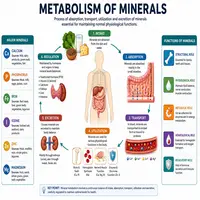
Mineral metabolism covers everything that happens to a mineral after you consume it. First, the body must absorb it through the intestinal wall. Then, it travels through the bloodstream to reach target tissues.
Some minerals get stored for later use. Calcium, for instance, sits mostly in bone tissue as a reserve. Meanwhile, other minerals stay active in the blood, ready to support enzyme functions or nerve signaling at any moment.
Finally, the body eliminates excess minerals, mainly through urine, sweat, and feces. This balance between intake, use, and excretion keeps mineral levels stable. Without this balance, deficiencies or toxic buildup can occur quickly.
Understanding the metabolism of minerals helps explain why diet quality matters so much. A poor diet doesn’t just lack calories; it often lacks the specific minerals your cells need daily.
Stages of Mineral Metabolism
| Stage | What Happens |
|---|---|
| Ingestion | Minerals enter the body through food and water |
| Absorption | Intestinal cells transport minerals into the bloodstream |
| Transport | Blood carries minerals to tissues and organs |
| Storage | Excess minerals get stored in bone, liver, or other tissue |
| Excretion | Kidneys and skin remove excess minerals from the body |
Absorption: Where It All Begins
Absorption mostly happens in the small intestine. However, the efficiency of absorption varies widely between minerals. Iron, for example, absorbs poorly compared to sodium or potassium.
Several factors affect absorption rates. Stomach acid helps convert minerals into absorbable forms. Additionally, certain vitamins boost absorption; vitamin C, for instance, significantly improves iron uptake.
On the other hand, some compounds block absorption. Phytates found in grains can bind minerals like zinc and iron, reducing how much the body actually absorbs. As a result, diet composition plays a huge role in overall mineral status.
Active transport and passive diffusion both play roles here. Active transport requires energy and carrier proteins, while passive diffusion simply follows concentration gradients across the intestinal wall.
Transport and Storage in the Body
Once absorbed, minerals travel through the bloodstream, often bound to specific carrier proteins. Iron, for example, attaches to a protein called transferrin for transport to the bone marrow and other tissues.
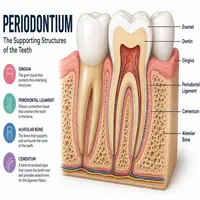
Storage varies by mineral type. Calcium and phosphorus store primarily in bones and teeth, forming a mineral reserve the body can draw from during periods of low dietary intake. Iron stores mainly in the liver, bound to a protein called ferritin.
Meanwhile, sodium and potassium don’t really get stored in large amounts. Instead, the kidneys constantly adjust their levels to maintain fluid balance and nerve function. Consequently, these minerals require regular dietary replenishment.
Hormones regulate much of this storage and release process. Parathyroid hormone, for instance, controls calcium release from bone when blood calcium levels drop too low.
Key Minerals and Their Primary Roles
| Mineral | Main Storage Site | Primary Function |
|---|---|---|
| Calcium | Bones and teeth | Bone strength, muscle contraction |
| Iron | Liver (as ferritin) | Oxygen transport in red blood cells |
| Potassium | Intracellular fluid | Nerve signaling, muscle function |
| Sodium | Extracellular fluid | Fluid balance, nerve transmission |
| Iodine | Thyroid gland | Thyroid hormone production |
| Zinc | Muscle and bone | Enzyme activity, immune function |
Hormonal Regulation of Mineral Balance
Hormones act as the control system for mineral metabolism. Parathyroid hormone raises blood calcium levels by pulling calcium from bone and increasing intestinal absorption. Calcitonin, in contrast, lowers calcium levels when they rise too high.
Aldosterone regulates sodium and potassium balance by acting on the kidneys. It increases sodium reabsorption while promoting potassium excretion. This hormone plays a major role in controlling blood pressure too.
Vitamin D deserves special mention here. Although technically a vitamin, it functions like a hormone in mineral metabolism. It boosts calcium and phosphorus absorption in the intestines, working closely with parathyroid hormone to maintain bone health.
Without proper hormonal regulation, the metabolism of minerals would quickly become unstable, leading to symptoms ranging from muscle cramps to bone weakness.
Mineral Metabolism Flowchart
        Mineral intake through diet
                |
                v
     Absorption in small intestine
                |
                v
   Transport via blood (often protein-bound)
                |
                v
  Hormonal regulation (PTH, calcitonin, aldosterone)
                |
                v
     Storage in bone, liver, or tissue
                |
                v
   Utilization for enzymes, nerves, muscles
                |
                v
      Excretion via kidneys, skin, feces
This cycle repeats constantly, adjusting based on diet, activity, and hormonal signals throughout the day.
What Happens When Mineral Metabolism Goes Wrong?
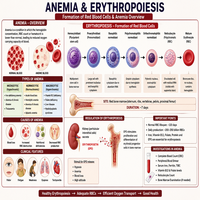
Deficiencies and excesses both cause problems. Iron deficiency, for example, leads to fatigue and anemia because red blood cells can’t carry enough oxygen. Calcium deficiency weakens bones over time, increasing fracture risk.
On the flip side, excess iron can damage the liver and heart. Similarly, too much sodium raises blood pressure and strains the cardiovascular system. Therefore, balance matters just as much as intake.
Certain medical conditions also disrupt this system. Kidney disease, for instance, impairs the body’s ability to regulate calcium, phosphorus, and potassium properly. Thyroid disorders can throw off iodine-related metabolism as well.
Recognizing these patterns highlights why the metabolism of minerals matters clinically, not just academically. Doctors often check mineral levels through blood tests to catch imbalances early.
Conclusion
The metabolism of minerals quietly powers nearly every function in your body. From building strong bones to carrying oxygen in your blood, these small elements do heavy lifting every single day.
Absorption, transport, storage, and excretion all work together in a tightly regulated system. Hormones fine-tune this balance constantly, responding to diet and the body’s changing needs. When this system breaks down, the effects show up quickly, from fatigue to bone loss.
Ultimately, understanding this process helps explain why a balanced diet matters so much. Minerals may be small, but their impact on health is anything but minor.
Frequently Asked Questions
It refers to how the body absorbs, transports, stores, and eliminates essential minerals like calcium, iron, and potassium to maintain healthy function.
The small intestine absorbs most dietary minerals, though efficiency varies depending on the specific mineral and dietary factors.
Parathyroid hormone and calcitonin work together, along with vitamin D, to raise or lower blood calcium levels as needed.
Iron deficiency reduces the blood’s oxygen-carrying capacity, often leading to fatigue, weakness, and anemia over time.
Yes. Excess iron can damage organs, while excess sodium can raise blood pressure. Balance, not just intake, determines healthy mineral metabolism.