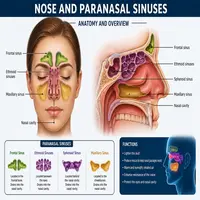
Nose and Paranasal Sinuses: Complete Anatomy Guide
Your face hides more engineering than most people realize. Right at its center sits a small but powerful organ system: the nose and paranasal sinuses. Together, they filter air, warm it, add moisture, and help you smell everything from fresh coffee to rain on pavement.
Most people never think about this system until a cold hits or allergy season arrives. Suddenly, breathing feels like work. So, understanding how this structure works can help you appreciate why it matters so much for daily comfort and health.
In this guide, we’ll break down the anatomy in plain language. No confusing jargon. Just clear explanations, useful tables, and a simple flowchart to show how air moves through your head.
What Is the Nose? Structure and Function
The nose is the visible entry point for the respiratory system. It sits on the face and connects directly to the nasal cavity inside the skull.
Structurally, the nose has two main parts. The upper portion consists of bone, while the lower portion is made of flexible cartilage. This combination gives the nose its shape while still allowing slight movement.
Inside, a wall called the nasal septum divides the nose into two separate passages. Ideally, this septum sits straight in the middle. However, many people have a mildly deviated septum, which can affect airflow on one side more than the other.
Tiny hairs called cilia line the nasal passages. These hairs trap dust, pollen, and other particles before they reach the lungs. Meanwhile, the lining also produces mucus, which keeps the tissue moist and traps additional debris.
Blood vessels sit close to the surface of the nasal lining too. As a result, the nose warms incoming air almost instantly, protecting the lungs from cold, dry air during winter months.
External Nose: Quick Reference Table
| Structure | Material | Main Function |
|---|---|---|
| Nasal bones | Bone | Shape the bridge of the nose |
| Nasal cartilage | Cartilage | Provides flexibility to the tip and sides |
| Nasal septum | Bone and cartilage | Divides the nose into two passages |
| Cilia | Fine hair-like structures | Trap dust and particles |
| Mucosa | Soft tissue lining | Produces mucus, keeps passages moist |
Nasal Cavity and Internal Structures
Behind the visible nose lies the nasal cavity, a hollow space lined with mucous membrane. This cavity extends from the nostrils to the back of the throat.
Three curved bone structures called turbinates (or conchae) sit inside each nasal passage. They increase the surface area available for warming and filtering air. Consequently, air spends more time in contact with the moist lining before reaching the lungs.
Below the turbinates, narrow spaces called meatuses allow airflow and drainage. Several sinuses actually drain into these spaces, which brings us to the next key structure in this system.
Nerve endings for smell, known as olfactory receptors, sit high in the nasal cavity. When air passes over them, they send signals to the brain. That’s how you detect scent, whether pleasant or unpleasant.
What Are the Paranasal Sinuses?
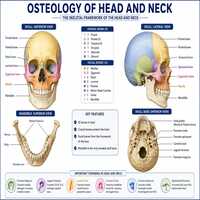
The paranasal sinuses are air-filled spaces located within the bones surrounding the nasal cavity. Four paired sinuses make up this system, and each one connects to the nasal cavity through small openings.
These sinuses aren’t just empty pockets. They lighten the skull, add resonance to your voice, and produce mucus that drains into the nasal cavity. Additionally, they help regulate air pressure and temperature before air reaches the lungs.
Understanding the nose and paranasal sinuses together matters because they don’t work in isolation. Air constantly moves between them, and mucus drains from the sinuses into the nasal passages throughout the day, often without you noticing.
The Four Paranasal Sinuses
| Sinus | Location | Notes |
|---|---|---|
| Frontal sinus | Above the eyebrows | Prone to pressure during sinus infections |
| Maxillary sinus | Inside the cheekbones | Largest of the four sinus pairs |
| Ethmoid sinus | Between the eyes | Made up of small air cells |
| Sphenoid sinus | Behind the nasal cavity | Located deep within the skull |
Each sinus drains through a narrow channel called an ostium. When these channels become blocked, due to swelling or excess mucus, pressure builds up. That pressure often causes the familiar ache of a sinus headache.
Functions of the Nose and Paranasal Sinuses
So, why does this system matter so much? First, it filters the air you breathe. Dust, pollen, and bacteria get trapped before they can irritate the lungs.
Second, it warms and humidifies incoming air. This process protects delicate lung tissue from sudden temperature changes. Third, it enables smell, which also plays a major role in taste.
Fourth, the sinuses reduce the overall weight of the skull. Without these air-filled spaces, the head would be noticeably heavier. Finally, the sinuses add resonance to the voice, shaping how your voice sounds when you speak or sing.
Together, the nose and paranasal sinuses form a coordinated filtration and conditioning system. Every breath you take passes through this network before reaching your lungs.
Airflow Flowchart
        Air enters nostrils
                |
                v
        Nasal cavity (warmed & filtered)
                |
                v
     Turbinates increase surface contact
                |
                v
  Mucus + cilia trap particles and debris
                |
                v
   Sinuses drain mucus into nasal cavity
                |
                v
        Air passes to the pharynx
                |
                v
           Air reaches the lungs
This simple flow shows just how much processing happens before a single breath reaches your lungs.
Common Conditions Affecting Nose and Sinuses
Several conditions can disrupt this system. Sinusitis, for example, occurs when the sinus linings become inflamed, often after a cold or allergy flare-up. Symptoms include facial pressure, congestion, and sometimes a low-grade fever.
Allergic rhinitis is another common issue. Pollen, dust, or pet dander can trigger inflammation in the nasal lining, causing sneezing and a runny nose. Meanwhile, a deviated septum can cause chronic congestion on one side, even without infection.
Nasal polyps, small soft growths, sometimes develop inside the nasal cavity or sinuses. These growths can block airflow and reduce the sense of smell over time. In each case, understanding the underlying anatomy of the nose and paranasal sinuses helps explain why symptoms occur where they do.
Conclusion
The nose and paranasal sinuses work as a quiet but essential team. They filter, warm, and humidify every breath. They protect the lungs, support your sense of smell, and even shape your voice.
Most people take this system for granted until something goes wrong. However, a basic understanding of its anatomy makes it easier to recognize symptoms early and seek the right care. Next time you take a deep breath, remember the small but mighty structures making it possible.
Frequently Asked Questions
The paranasal sinuses are air-filled spaces within the skull bones. There are four paired sinuses: frontal, maxillary, ethmoid, and sphenoid.
This process protects the delicate lung tissue from cold, dry air. It also helps prevent irritation and supports smoother, more comfortable breathing.
Yes. A deviated septum can block normal drainage pathways, which increases the risk of sinus infections and chronic congestion on one side.
Blocked ostia, the small drainage channels of the sinuses, cause mucus buildup. This buildup leads to pressure, pain, and often a dull headache.
Olfactory receptors inside the nasal cavity detect airborne particles and send signals to the brain. Blocked sinuses can reduce airflow to these receptors, which temporarily weakens the sense of smell.