Brain Anatomy Explained: Structure, Parts, and Function
Have you ever wondered what happens inside your head every second of the day? Every thought, movement, and emotion starts in one incredible organ. This guide breaks down its structure in plain language. You will learn how each part works together. You will also see tables and a flowchart that simplify complex ideas. Let’s dive in.
What Sits Inside Your Skull
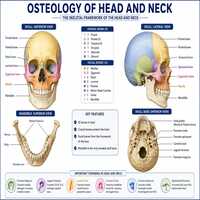
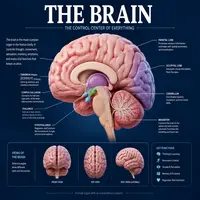
Your skull protects a soft, wrinkled organ that controls everything you do. This organ weighs about three pounds, yet it uses nearly twenty percent of your body’s energy. Meanwhile, it processes millions of signals every moment.
Three main sections make up this structure:
- The cerebrum
- The cerebellum
- The brainstem
Each section handles different jobs. Together, they keep you alive, alert, and aware. Additionally, they help you learn, remember, and react to your surroundings.
The Brain’s Major Parts and Their Roles
Understanding each region helps explain why certain injuries cause specific problems. For instance, damage to one area might affect speech, while damage elsewhere might affect balance. Therefore, doctors study these regions closely.
Here is a simple breakdown:
| Structure | Location | Main Function |
|---|---|---|
| Cerebrum | Top and front | Thinking, memory, movement |
| Frontal Lobe | Front of cerebrum | Decision-making, personality |
| Parietal Lobe | Upper middle area | Touch, spatial awareness |
| Temporal Lobe | Sides | Hearing, language |
| Occipital Lobe | Back | Vision |
| Cerebellum | Lower back | Balance, coordination |
| Brainstem | Base, connects to spine | Breathing, heart rate |
As shown above, every lobe has a clear purpose. Consequently, even small injuries can create noticeable symptoms.
How Signals Travel Through the Nervous System
Communication inside your head happens through electrical and chemical signals. Neurons pass messages to each other in a specific sequence. Below is a simplified flowchart of this process:
Sensory Input (eyes, ears, skin)
        ↓
Signal Travels Through Nerves
        ↓
Processing Center Interprets Data
        ↓
Decision Is Made
        ↓
Motor Command Sent to Muscles
        ↓
Body Responds (movement, speech, reaction)
This cycle repeats thousands of times daily. Furthermore, it happens so fast that you rarely notice it. As a result, you can catch a falling object or answer a question without conscious effort.
Protective Layers and Support Systems
Nature designed strong protection for such a delicate organ. Three membranes, called meninges, wrap around it. These layers cushion against sudden impact. Meanwhile, cerebrospinal fluid flows between them, acting like a shock absorber.
Blood vessels also play a critical role. They deliver oxygen and nutrients constantly. Without steady blood flow, cells begin to weaken within minutes. Hence, doctors treat stroke symptoms as medical emergencies.
Below is a quick comparison of protective components:
| Component | Purpose |
|---|---|
| Skull | Hard outer shield |
| Meninges | Cushioning membranes |
| Cerebrospinal Fluid | Shock absorption, nutrient delivery |
| Blood-Brain Barrier | Filters harmful substances |
Growth and Development Over Time
Development starts before birth and continues into early adulthood. Infants are born with nearly all their neurons already formed. However, connections between neurons multiply rapidly during childhood.
Teenagers experience major changes too. Their frontal lobe, responsible for judgment, continues maturing until the mid-twenties. Consequently, teens often take more risks than adults.
Later in life, natural aging causes gradual changes. Memory recall may slow down. Nevertheless, healthy habits like exercise and sleep can support long-term function.
Common Conditions That Affect This Organ
Several conditions can disrupt normal function. Understanding them helps with early detection and better outcomes.
- Stroke – blood flow gets blocked or interrupted
- Concussion – sudden impact causes temporary dysfunction
- Alzheimer’s disease – gradual memory decline over time
- Epilepsy – abnormal electrical activity causes seizures
- Migraine – intense headaches with sensory disturbances
Early diagnosis often improves treatment success. Therefore, regular checkups and awareness of warning signs matter greatly.
Simple Habits That Support Long-Term Health
Small daily choices add up over time. Regular exercise increases blood flow and supports new cell growth. Quality sleep allows the organ to clear waste products. Balanced nutrition, especially foods rich in omega-3s, supports cell repair.
Social connection also matters. People who stay mentally and socially active often show better cognitive resilience. Meanwhile, chronic stress can shrink certain regions over time, so stress management plays a key role too.
Conclusion
Your body’s control center is complex, yet understanding it doesn’t have to be difficult. Each part, from the cerebrum to the brainstem, plays a specific role in keeping you functioning smoothly. Protective layers shield it from harm, while healthy habits support its performance for years to come. By learning how this remarkable organ works, you gain better insight into your own health. Small lifestyle choices, paired with basic anatomical knowledge, can help you protect this vital system for a lifetime.
Frequently Asked Questions
It controls thought, movement, emotion, and vital body functions like breathing and heart rate.
The temporal lobe and hippocampus play major roles in forming and storing memories.
Some healing is possible, especially with therapy and rehabilitation. However, full recovery depends on the injury’s severity.
Intelligence relates more to neural connections and efficiency than overall size alone.
Regular exercise, good sleep, balanced nutrition, and mental stimulation all support long-term health.