Salivary Glands Explained: Function, Types & Health Tips
Your mouth does more than just chew and speak. Behind the scenes, tiny glands work nonstop to keep everything running smoothly. Most people never think about them, yet they play a huge role in daily comfort.
These glands produce saliva, a fluid most of us take for granted. Without it, eating, speaking, and even tasting food would feel nearly impossible. This guide explains everything in simple, everyday language.
You will find a helpful table, an easy flowchart, and answers to common questions. So, let’s take a closer look at these small but essential structures.
What Are These Glands and Where Are They?
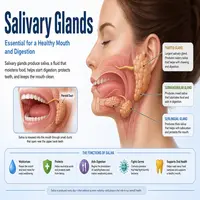
Salivary glands are small organs located around the mouth and jaw. They produce saliva, which helps with digestion and oral comfort. Three major pairs handle most of this work.
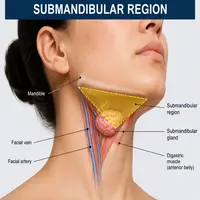
The parotid glands sit near the ears, in front of each cheek. The submandibular glands rest beneath the jawbone on both sides. Meanwhile, the sublingual glands sit under the tongue, closer to the front of the mouth.
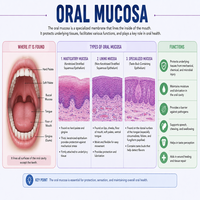
Beyond these three pairs, hundreds of minor glands line the mouth and throat. These smaller glands add extra moisture throughout the day. Together, all these glands keep the mouth from feeling dry or uncomfortable.
Interestingly, saliva production changes throughout the day. It increases while eating and decreases during sleep. This is why your mouth often feels dry first thing in the morning.
The Three Major Glands and Their Roles
Each major gland contributes differently to saliva production. Some produce watery saliva, while others create a thicker, mucous-rich fluid. Understanding these differences helps explain why saliva varies in texture.
The table below summarizes these three major glands and their functions.
| Gland Name | Location | Type of Saliva Produced |
|---|---|---|
| Parotid gland | Front of the ears | Watery, enzyme-rich saliva |
| Submandibular gland | Beneath the jaw | Mixed watery and mucous saliva |
| Sublingual gland | Under the tongue | Thick, mucous-heavy saliva |
Notably, the submandibular glands produce most of your daily saliva. Meanwhile, the parotid glands become especially active during meals. This is why chewing often triggers a noticeable increase in saliva flow.
How Saliva Production Actually Works
Understanding this process becomes easier with a simple flow. Below is a basic flowchart showing how saliva forms and travels through the mouth.
Nerve Signal Triggered
     │
     ▼
Gland Cells Activated
     │
     ▼
Saliva Produced
     │
     ▼
Saliva Travels Through Ducts
     │
     ▼
Fluid Released Into Mouth
First, a nerve signal reaches the gland after seeing or smelling food. Next, gland cells respond quickly by producing fluid. Then, saliva travels through small ducts toward the mouth.
Afterward, the fluid mixes with food during chewing. Finally, digestion begins even before swallowing occurs. This entire process happens automatically, without any conscious effort.
Why These Glands Matter for Daily Life
Saliva supports several essential functions every single day. First, it moistens food, making chewing and swallowing much easier. Second, it contains enzymes that begin breaking down starches immediately.
Saliva also protects teeth from decay and bacteria. It washes away food particles and neutralizes harmful acids. Therefore, healthy saliva flow directly supports long-term dental health.
Additionally, saliva helps with speech clarity and comfort. A dry mouth often makes talking feel difficult or unpleasant. Similarly, taste relies heavily on saliva to dissolve food particles properly.
In other words, these glands quietly support digestion, protection, and communication all at once. Without them, everyday activities would feel far more challenging.
Common Problems Affecting These Glands
Several conditions can disrupt normal gland function over time. Dry mouth, also called xerostomia, often results from medication or dehydration. This condition makes eating, speaking, and swallowing noticeably harder.
Salivary stones can also block ducts, causing pain and swelling. These stones form when minerals harden inside the duct over time. In more serious cases, infections may develop around the blocked area.
Sjögren’s syndrome represents another common concern, especially in older adults. This autoimmune condition reduces saliva production significantly. Consequently, patients often experience chronic dryness in both the mouth and eyes.
Tips for Keeping These Glands Healthy
Simple daily habits protect these glands for years to come. Staying hydrated keeps saliva flowing steadily throughout the day. Chewing sugar-free gum also encourages healthy saliva production.
Additionally, limiting sugary snacks reduces strain on oral health overall. Regular dental checkups help catch early signs of gland problems. Meanwhile, avoiding tobacco products supports better long-term gland function.
Doctors also recommend treating dry mouth symptoms early. Ignoring persistent dryness can lead to tooth decay and discomfort. Overall, small daily choices make a meaningful difference over time.
Conclusion
Salivary glands may be small, yet their impact on daily comfort is significant. They support digestion, protect teeth, and make speech clearer without requiring any conscious effort. From the first bite of food to the last swallow, these glands stay constantly active.
Understanding their structure and function helps you appreciate a system often overlooked. Simple habits, like staying hydrated and visiting the dentist regularly, protect these glands long term. Ultimately, a little awareness today can prevent bigger oral health problems tomorrow.
Frequently Asked Questions
They sit near the ears, jaw, and under the tongue. Hundreds of smaller glands also line the mouth and throat.
They produce saliva, which supports digestion, speech, and oral protection. Saliva also helps neutralize harmful acids in the mouth.
Nerve activity decreases significantly during sleep. As a result, saliva flow naturally drops, causing morning dryness.
Yes, many conditions respond well to hydration and proper dental care. However, persistent symptoms should always be checked by a doctor.
An otolaryngologist, also known as an ENT specialist, typically handles these issues. Dentists may also identify early warning signs during checkups.