Nutrition in Human Body: A Complete Biochemistry Guide
Every cell depends on fuel to survive and function. This fuel comes from food, and its journey involves complex chemistry. Nutrition in human body systems converts raw ingredients into usable energy. Additionally, it builds tissues, supports immunity, and regulates countless internal processes.
In this guide, we explore how nutrients move through the body. We look at digestion, absorption, and metabolism in detail. Furthermore, we explain why balanced nutrition matters for long-term health. By the end, you will understand the biochemical basis behind everyday eating habits.
What Is Nutrition in Human Body Chemistry?
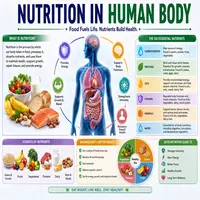
Nutrition refers to the process of obtaining and using nutrients. These nutrients include carbohydrates, proteins, fats, vitamins, and minerals. Each nutrient plays a specific biochemical role inside cells. Consequently, the body cannot function properly without a balanced supply.
Firstly, macronutrients provide energy and building materials. Secondly, micronutrients support enzyme activity and cellular repair. Thirdly, water regulates temperature and transports nutrients efficiently. Together, these components form the foundation of human biochemistry.
Nutrition in human body pathways does not stop at consumption alone. Instead, food undergoes multiple chemical transformations. These transformations begin in the mouth and continue through several organs. We examine this process next.
Macronutrients and Their Biochemical Roles
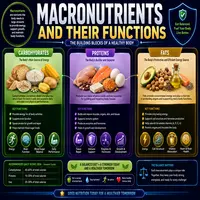
Macronutrients supply the majority of the body’s energy needs. Each type undergoes a distinct breakdown pathway. The table below outlines their primary functions clearly.
| Macronutrient | Building Blocks | Primary Function |
|---|---|---|
| Carbohydrates | Glucose molecules | Quick energy production |
| Proteins | Amino acids | Tissue repair and growth |
| Fats | Fatty acids and glycerol | Long-term energy storage |
Carbohydrates break down into glucose during digestion. This glucose then fuels cellular respiration directly. Proteins, meanwhile, split into amino acids for tissue synthesis. Fats convert into fatty acids, which support hormone production and insulation.
Therefore, each macronutrient contributes uniquely to overall metabolism. Missing any one category can disrupt biochemical balance significantly.
Micronutrients: Small Molecules, Big Impact
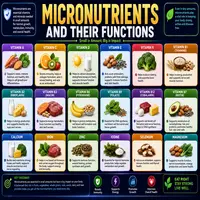
Vitamins and minerals do not provide direct energy. However, they enable countless enzymatic reactions throughout the body. Without them, metabolic pathways slow down or fail entirely.
For instance, vitamin B12 supports red blood cell formation. Meanwhile, iron helps transport oxygen through hemoglobin molecules. Calcium strengthens bones, while also assisting muscle contraction. Additionally, zinc supports immune cell function and wound healing.
These micronutrients often act as coenzymes or cofactors. In simple terms, they help larger enzymes complete their reactions. As a result, even trace amounts can influence major bodily functions.
Digestion and Nutrient Absorption Process
Digestion begins the moment food enters the mouth. Saliva starts breaking down carbohydrates immediately. Afterward, the stomach uses acid and enzymes for further breakdown. Then, the small intestine absorbs most nutrients into the bloodstream.
This absorption process depends heavily on healthy intestinal lining. Specialized cells called villi increase surface area dramatically. Consequently, nutrients pass efficiently into surrounding blood vessels. From there, the liver processes and distributes these nutrients throughout the body.
The flowchart below summarizes this entire pathway simply.
Nutrient Processing Pathway:
Food Intake
     ↓
Mechanical & Chemical Digestion (Mouth, Stomach)
     ↓
Nutrient Breakdown (Small Intestine)
     ↓
Absorption into Bloodstream (Villi)
     ↓
Transport to Liver
     ↓
Distribution to Body Cells
     ↓
Energy Production or Storage
Each stage relies on enzymes, hormones, and proper organ function. Therefore, disruptions anywhere along this path can cause nutritional deficiencies.
Metabolism and Energy Production
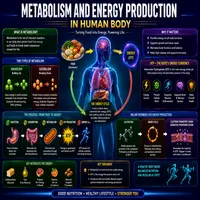
Once nutrients reach cells, metabolism takes over completely. Metabolism includes two main processes working together constantly. Catabolism breaks molecules down to release energy. Anabolism, however, builds new molecules using that energy.
Mitochondria play a central role in this system. They convert glucose and fatty acids into usable energy. This energy takes the form of ATP molecules. Cells then use ATP to power nearly every biological function.
Nutrition in human body metabolism also involves hormonal regulation. Insulin, for example, helps cells absorb glucose effectively. Meanwhile, glucagon releases stored energy during fasting periods. Together, these hormones maintain stable blood sugar levels throughout the day.
Below is a quick summary of key metabolic functions.
| Process | Location | Outcome |
|---|---|---|
| Catabolism | Mitochondria | Energy release |
| Anabolism | Cell cytoplasm | Tissue building |
| Glucose regulation | Pancreas | Stable blood sugar |
Why Balanced Nutrition Matters
A balanced diet supports every biochemical pathway discussed above. Without proper nutrition, enzyme activity slows significantly. Additionally, tissue repair becomes less efficient over time. This imbalance can eventually lead to chronic health conditions.
Nutrition in human body science shows clear links between diet and disease prevention. For example, adequate protein intake supports immune defense. Meanwhile, healthy fats protect brain function and hormone balance. Consequently, nutritional choices directly influence long-term wellness outcomes.
Moreover, hydration remains equally important alongside solid nutrients. Water supports digestion, circulation, and temperature control. Therefore, a truly balanced approach includes both food and fluid intake together.
Conclusion
Nutrition in human body chemistry involves far more than simple eating habits. It represents a complex system of digestion, absorption, and metabolic transformation. Macronutrients provide energy, while micronutrients enable essential enzymatic reactions throughout the body.
Understanding this biochemical process highlights why balanced nutrition matters so much. Every meal influences cellular function, energy production, and long-term health. Ultimately, appreciating this hidden chemistry encourages smarter, more informed dietary choices every day.
Frequently Asked Questions
The main components include carbohydrates, proteins, fats, vitamins, and minerals. Water also plays an essential supporting role.
The small intestine absorbs most nutrients through structures called villi. These nutrients then travel through the bloodstream to the liver.
Micronutrients act as coenzymes for major biochemical reactions. Without them, metabolism and cellular repair slow down significantly.
Metabolism converts nutrients into usable energy through catabolism and anabolism. This process powers nearly every cellular function.
Imbalanced nutrition disrupts enzyme activity and slows tissue repair. Over time, this can contribute to various chronic health conditions.