Hormones Explained: How Your Body’s Chemical Messengers Work
Every second, your body sends silent chemical signals from one organ to another. These signals control growth, mood, hunger, sleep, and much more. Most people never notice this activity, yet it shapes daily life in powerful ways.
These chemical messengers travel through the bloodstream and reach distant target cells. Once they arrive, they trigger specific responses inside those cells. This process happens constantly, even while you sleep or relax.
In this guide, we break down how this signaling system works. We explain the major glands involved, how messages travel, and what happens when balance goes wrong. By the end, you will understand this fascinating biochemical network and why it deserves more attention.
Biochemistry students often find this topic tricky at first. However, once you see the pattern behind gland activity, receptor binding, and feedback control, the entire system becomes far easier to picture. This guide uses plain language and visual tools to make that process simple.
What Are These Chemical Messengers?
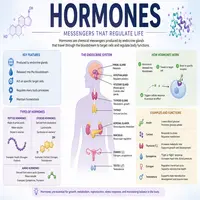
Hormones are chemical substances produced by specialized glands throughout the body. Once released, they travel through the blood to reach target tissues far from their origin. This long-distance signaling makes them different from nerve signals, which act almost instantly and locally.
Because of this design, these messengers often produce slower, longer-lasting effects. For instance, growth signals influence height over years, not seconds. Meanwhile, stress-related chemicals can shift mood and energy within minutes.
Each messenger fits a specific receptor, much like a key fits a lock. Only cells with the matching receptor respond to a particular signal. As a result, one chemical can influence many organs at once, while ignoring others completely.
This selective targeting explains why the endocrine system works with such precision. Therefore, even tiny amounts circulating in the blood can produce major effects throughout the body.
Chemical structure also determines how a messenger travels and acts. Some dissolve easily in fat, while others dissolve in water. This difference affects how each substance moves through the bloodstream and how quickly it breaks down afterward. Consequently, some signals last for minutes, while others linger for hours.
Major Glands and Their Roles
Several glands throughout the body produce these chemical signals. Each gland specializes in specific tasks, forming a coordinated network.
| Gland | Location | Main Chemical Signal(s) | Primary Function |
|---|---|---|---|
| Pituitary | Base of brain | Growth signal (GH) | Growth, master gland control |
| Thyroid | Neck | Thyroxine (T4) | Metabolism regulation |
| Adrenal | Above kidneys | Cortisol, adrenaline | Stress response |
| Pancreas | Abdomen | Insulin, glucagon | Blood sugar control |
| Ovaries/Testes | Pelvis | Estrogen, testosterone | Reproduction, development |
The pituitary gland often earns the nickname “master gland.” Consequently, it directs other glands by releasing signals that trigger their activity. For example, it tells the thyroid when to speed up or slow down metabolism.
Each gland listens closely to feedback from the bloodstream. Similarly, when levels rise too high, production usually slows down automatically. This balancing act keeps the entire system stable.
Beyond the five major glands, smaller tissues also contribute signals. Fat cells, the gut lining, and even the heart release chemical messengers under certain conditions. Consequently, this network extends far beyond the traditional endocrine glands taught in textbooks.
How Signaling Actually Works
Communication between glands and target cells follows a clear, repeatable pattern. The flowchart below simplifies this process into simple steps.
Simplified Signaling Flowchart:
Gland Detects Trigger (stress, low sugar, etc.)
        |
        ▼
Gland Releases Chemical Messenger into Blood
        |
        ▼
Messenger Travels Through Bloodstream
        |
        ▼
Target Cell Receptor Binds the Messenger
        |
        ▼
Cell Response Triggered (growth, energy release, etc.)
        |
        ▼
Feedback Signal Returns to Gland
This feedback loop prevents overproduction. Once target cells respond, they often send a signal back to the original gland. Consequently, the gland reduces output until levels normalize again.
Two main categories exist based on chemical structure. Steroid types dissolve easily in fat and pass directly through cell membranes. Protein-based types, however, cannot cross membranes easily and must bind surface receptors instead.
This structural difference also affects speed. Steroid types often take longer to act because they influence gene activity inside the cell nucleus. Protein-based types, by contrast, trigger faster responses through surface receptor pathways. As a result, the body uses each type strategically depending on how quickly a response is needed.
Common Roles in Everyday Life
These chemical signals influence nearly every body function. Below is a quick look at their everyday impact.
- Metabolism: Thyroid signals control how fast the body burns energy.
- Mood and stress: Cortisol and adrenaline manage the fight-or-flight response.
- Growth: Growth signals support height and tissue repair during childhood.
- Sleep cycles: Melatonin regulates the natural sleep-wake rhythm.
- Blood sugar: Insulin and glucagon keep glucose levels balanced.
Interestingly, these systems often overlap. For example, poor sleep can disrupt cortisol patterns, which then affects blood sugar control. Therefore, one imbalance frequently triggers a chain reaction elsewhere.
Exercise also interacts closely with this network. Physical activity triggers endorphin release, improving mood almost immediately. Meanwhile, regular training improves insulin sensitivity over weeks and months. This connection shows how lifestyle choices directly shape internal chemistry, not just outward fitness.
What Happens When Levels Go Wrong
Imbalances can cause noticeable symptoms across the body. Recognizing early signs helps prevent bigger complications later.
| Condition | Cause | Common Symptoms |
|---|---|---|
| Hypothyroidism | Low thyroid output | Fatigue, weight gain, cold sensitivity |
| Hyperthyroidism | High thyroid output | Weight loss, rapid heartbeat, anxiety |
| Diabetes | Insulin imbalance | Excess thirst, fatigue, frequent urination |
| Adrenal fatigue | Chronic stress overload | Low energy, poor sleep, irritability |
| PCOS | Reproductive imbalance | Irregular cycles, acne, weight changes |
Consequently, unexplained fatigue, weight changes, or mood shifts deserve medical attention. Blood tests can usually identify which gland needs support.
Stress, poor diet, and lack of sleep often worsen these imbalances. Additionally, certain medications can interfere with natural production. Therefore, reviewing lifestyle habits alongside symptoms often reveals a clear cause.
Age also influences natural balance over time. For example, reproductive signals decline gradually during midlife, leading to noticeable physical changes. Meanwhile, thyroid function may shift slightly as metabolism naturally slows with age. Understanding these patterns helps distinguish normal aging from a true medical concern.
Tips for Keeping This System Balanced
Simple daily habits support healthy chemical signaling throughout the body. Below are practical steps anyone can follow.
- Prioritize consistent, quality sleep every night.
- Manage stress through exercise, breathing, or relaxation techniques.
- Eat a balanced diet rich in protein, healthy fats, and fiber.
- Limit excess sugar and processed foods.
- Schedule regular checkups to monitor key levels.
Moreover, staying physically active supports insulin sensitivity and mood stability. Meanwhile, reducing caffeine late in the day helps protect natural sleep rhythms.
Sunlight exposure also plays a surprising role. Morning light exposure helps regulate melatonin release at night. Consequently, a short outdoor walk each morning may improve sleep quality over time.
Hydration matters too, though it often gets overlooked. Dehydration can raise cortisol slightly, adding unnecessary strain to the stress response system. Therefore, drinking enough water throughout the day supports smoother chemical signaling overall. Small, consistent habits like these build a strong foundation for long-term balance.
Conclusion
This chemical messaging system quietly controls far more than most people realize. It shapes growth, mood, metabolism, and reproduction every single day. Its complex network of glands, receptors, and feedback loops works together seamlessly, often without any conscious effort.
Paying attention to this balance matters. Unexplained fatigue, weight changes, or mood shifts can signal underlying imbalances. Simple daily habits, including good sleep and stress management, go a long way toward long-term wellness.
Small, everyday choices carry more influence than most people expect. Diet, movement, sleep, and stress levels all send signals that this system responds to directly. Building better habits in these areas often improves balance without any medical intervention at all.
Ultimately, understanding this system helps you appreciate a process that works constantly behind the scenes. A little awareness today can prevent bigger health problems tomorrow.
Frequently Asked Questions
They are chemical messengers produced by glands that travel through the blood to control functions like growth, metabolism, and mood.
The pituitary gland acts as the master gland, directing other glands throughout the body.
Yes, nutrition directly influences insulin, cortisol, and thyroid function, making balanced eating an important factor.
Common signs include fatigue, unexplained weight changes, mood swings, and irregular sleep patterns.
Consistent sleep, regular exercise, balanced nutrition, and stress management all support long-term hormonal balance.