Denture Resins and Polymers: A Complete Material Guide
Denture materials shape comfort, fit, and function for millions of patients. Modern dentistry relies heavily on polymer chemistry to build bases that feel natural and last for years. This guide breaks down everything you need to know about these materials, from basic chemistry to fresh industry trends.
Dental professionals often ask which resin suits a specific case best. Students want to understand the science behind each formula. Patients simply want comfort and durability. This article answers all three groups with practical, up-to-date information.
What Are Denture Resins and Polymers?
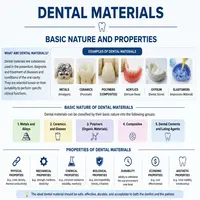
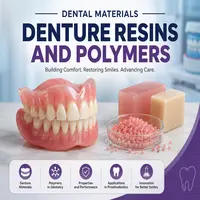
Denture resins and polymers form the backbone of removable prosthetics. They replace lost teeth and supporting tissue with a stable, biocompatible structure. Most bases start as a powder-liquid system that hardens into a rigid or semi-rigid shape.
Polymethyl methacrylate, commonly called PMMA, dominates this category. Dentists have trusted it since the 1930s because it offers strong esthetics and reasonable strength. However, newer polymer blends now compete for attention.
Manufacturers mix monomers with polymer beads to create a dough-like paste. Heat, chemicals, or light then trigger polymerization. This reaction locks molecules together into a solid network. As a result, the final denture gains strength, stability, and a natural tooth-like appearance.
Material selection affects fit, comfort, and longevity. Therefore, clinicians weigh several factors before choosing a formula for each patient.
Types of Denture Base Materials
Several material families exist today. Each one brings distinct advantages and limitations. The table below compares the most common options used in clinical practice.
| Material Type | Curing Method | Key Advantage | Common Limitation |
|---|---|---|---|
| Heat-cured PMMA | Heat activation | High strength, good polish | Longer processing time |
| Self-cured (cold-cure) acrylic | Chemical activation | Fast repair and relining | Higher residual monomer |
| Light-cured resin | Visible light | Precise control, less shrinkage | Requires special equipment |
| Injection-molded thermoplastics | Heat and pressure | Flexible, metal-free base | Limited to specific cases |
| Microwave-cured resin | Microwave energy | Quick turnaround | Needs specific molds |
Each option serves a purpose. For instance, thermoplastic resins suit patients with metal allergies. Meanwhile, heat-cured acrylic remains the standard choice for full dentures due to its balance of cost and performance.
Additionally, hybrid materials now blend acrylic with reinforcing fibers. This combination improves fracture resistance without adding bulk. Consequently, patients enjoy thinner, lighter prosthetics.
Properties That Matter in Denture Resins and Polymers
Not all polymers perform equally. Several properties determine how well a denture functions inside the mouth over time.
Mechanical strength ranks as a top priority. A weak base fractures under normal chewing forces. Manufacturers test flexural strength and impact resistance before releasing new formulas.
Dimensional stability matters just as much. Materials that shrink or warp cause poor fit and discomfort. Precise processing techniques reduce this risk significantly.
Biocompatibility protects oral tissue from irritation. Residual monomer, if left unreacted, can trigger allergic responses in sensitive patients. Proper curing minimizes this risk.
Color stability keeps the prosthesis looking natural for years. Sunlight, food pigments, and cleaning agents can cause discoloration over time. High-quality resins resist this fading better than older formulations.
Water sorption also plays a role. Excess moisture absorption weakens the polymer matrix. Consequently, engineers design newer materials with lower porosity to limit water uptake.
Together, these properties define how well denture resins and polymers perform in real-world conditions. Clinicians should review manufacturer data sheets before selecting a product for complex cases.
How Denture Resins Are Processed: A Simple Flowchart
Understanding the workflow helps clinicians and technicians communicate clearly. Below is a simplified step-by-step flow used in most dental labs.
Step 1: Diagnostic Impression
        ↓
Step 2: Wax Pattern Fabrication
        ↓
Step 3: Flasking and Wax Elimination
        ↓
Step 4: Resin Packing (Powder-Liquid Mix)
        ↓
Step 5: Curing (Heat, Light, or Chemical)
        ↓
Step 6: Deflasking and Finishing
        ↓
Step 7: Polishing and Final Fit Check
This process looks straightforward, yet each step demands precision. Small errors during packing or curing can lead to porosity or warping. Skilled technicians follow strict time and temperature protocols to avoid these issues.
Furthermore, quality control checks occur at multiple stages. Labs inspect for bubbles, cracks, and color inconsistency before shipping the final product to the clinic.
Recent Advances in Denture Polymer Technology
The field continues to evolve rapidly. Researchers now focus on stronger, safer, and more sustainable formulas.
Nanotechnology has entered the space in a meaningful way. Scientists add nanoparticles like zirconia or silica to acrylic resins. This addition boosts strength and reduces microbial buildup on the surface.
3D printing also reshapes production. Digital dentistry allows labs to print bases directly from digital scans. This method cuts waste and speeds up turnaround significantly. Many clinics now combine CAD/CAM design with printable resins for same-day solutions.
Antimicrobial coatings represent another exciting development. These coatings limit fungal growth, particularly Candida albicans, which commonly affects denture wearers. Patients benefit from better oral hygiene and fewer infections.
Bio-based monomers are also gaining traction. Some manufacturers now explore plant-derived alternatives to reduce environmental impact. Although still emerging, this trend reflects a broader push toward sustainable dental materials.
Overall, innovation in denture resins and polymers moves toward stronger, safer, and eco-friendly solutions. Dental professionals should stay updated as new products enter the market each year.
Choosing the Right Material for Each Patient
Material choice depends on several patient-specific factors. Age, allergy history, bite force, and budget all play a role.
Younger, more active patients often need higher-impact resistance. Older patients may prioritize comfort and lighter weight instead. Similarly, patients with known allergies benefit from metal-free or low-monomer options.
Cost also influences the decision. Heat-cured acrylic remains the most affordable choice for many practices. However, premium options like 3D-printed resins offer long-term value through precision and durability.
Ultimately, a thorough patient consultation guides the best material selection. Dentists should weigh clinical needs against comfort, esthetics, and budget together.
Conclusion
Denture resins and polymers remain central to modern prosthetic dentistry. From traditional heat-cured acrylic to cutting-edge 3D-printed formulas, each material offers unique strengths. Patients gain better comfort, durability, and appearance thanks to ongoing research in this field.
Dental teams should stay informed about new developments. Regularly reviewing product updates helps clinicians offer the safest, most effective options available. As technology advances, these materials will only continue to improve patient outcomes across the board.
Frequently Asked Questions
Heat-cured PMMA remains the most widely used option. It offers a strong balance of cost, strength, and natural appearance.
Most patients tolerate standard acrylic well. However, those with known sensitivities may need metal-free or low-monomer alternatives instead.
With proper care, a well-made denture can last five to ten years. Regular check-ups help identify wear before problems develop.
3D printing is gaining popularity fast. It offers speed and precision, though many labs still combine it with traditional finishing techniques.
Food pigments, tobacco use, and certain cleaning agents can stain the surface. Choosing high-quality, color-stable resin reduces this risk significantly.