Transcription and Translation: How Your Cells Build Proteins
Every cell in your body carries out an amazing task each day. It reads genetic instructions and turns them into working proteins. This process relies on two key steps: transcription and translation. Together, they form the foundation of molecular biology.
Scientists often call this process the “central dogma” of life. Without it, cells could not grow, repair, or function properly. Therefore, understanding these two steps helps explain how life works at a molecular level. In this article, you’ll learn what each step involves, how they differ, and why both matter so much.
What Happens During Gene Expression?
Gene expression describes how genetic information becomes a functional product. It happens in two major stages inside every living cell. First, the genetic code gets copied. Then, that copy gets used to build a protein.
This two-step system ensures accuracy at every stage. Additionally, it allows cells to control exactly which proteins get made and when. As a result, your body can respond to different needs at different times. Muscle cells, for example, produce different proteins than brain cells, even though both share the same DNA.
Step One: Copying the Genetic Code
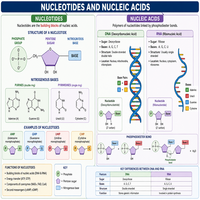
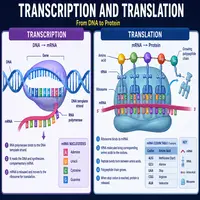
The first stage happens inside the nucleus of the cell. An enzyme called RNA polymerase reads a strand of DNA. It then builds a matching strand of messenger RNA, known as mRNA.
This step acts like photocopying a recipe from a cookbook. The original DNA stays safely stored, while the copy leaves the nucleus. Meanwhile, the mRNA carries the genetic message to the ribosome. Consequently, the cell protects its master genetic blueprint from damage.
Step Two: Building the Protein
The second stage happens at the ribosome, often located in the cytoplasm. Here, the mRNA message gets read and converted into a chain of amino acids. Transfer RNA, or tRNA, delivers the correct amino acids in the right order.
This process resembles assembling furniture using written instructions. Each three-letter code on the mRNA, called a codon, matches a specific amino acid. Finally, these amino acids link together to form a complete protein. The new protein then folds into its functional shape.
Comparing the Two Processes
Both processes work together, yet they differ in several important ways. The table below highlights these key differences clearly.
| Feature | Copying Stage (Transcription) | Building Stage (Translation) |
|---|---|---|
| Location | Nucleus | Cytoplasm (ribosome) |
| Template | DNA | mRNA |
| Product | mRNA | Protein |
| Key Molecule | RNA polymerase | Ribosome and tRNA |
| Result | Genetic message copied | Genetic message expressed |
Understanding these differences makes the entire process much easier to visualize. Moreover, it clarifies why errors at either stage can lead to different outcomes.
The Full Process: A Simple Flowchart

Seeing the steps in order often helps more than reading alone. Here’s a simplified flowchart of transcription and translation:
DNA (in nucleus)
      ↓
RNA Polymerase copies the code
      ↓
mRNA is formed
      ↓
mRNA exits the nucleus
      ↓
Ribosome reads mRNA codons
      ↓
tRNA delivers matching amino acids
      ↓
Protein chain is built
      ↓
Protein folds into final shape
This flowchart shows how a single gene ultimately becomes a working protein. Consequently, any disruption along this chain can change how a protein functions or looks.
Why This Process Matters
Proteins perform nearly every task inside living cells. They build tissues, speed up chemical reactions, and carry signals throughout the body. Therefore, accurate transcription and translation directly affect overall health.
Errors during either stage can lead to serious problems. For example, a single mistake in the genetic code can cause diseases like sickle cell anemia. Similarly, disruptions in protein folding contribute to conditions such as cystic fibrosis. As a result, researchers study these processes closely when developing new treatments.
Real-World Applications
Scientists use knowledge of these processes in many practical ways. Below is a quick list of common applications:
- Designing mRNA vaccines
- Developing gene therapies
- Creating antibiotics that block bacterial protein synthesis
- Studying genetic diseases
- Improving crop genetics in agriculture
Additionally, biotechnology companies rely heavily on this knowledge to manufacture insulin and other essential medicines. Modern medicine, in many ways, depends on a solid understanding of these two steps.
Conclusion
Transcription and translation work together as nature’s information system. One step copies genetic instructions, while the other builds proteins from that code. Moreover, this partnership keeps every cell functioning correctly, day after day.
Understanding these processes helps explain everything from basic biology to modern medical breakthroughs. If you’re studying biochemistry or simply curious about how life works, this foundation matters greatly. Keep exploring, since every protein in your body started with this remarkable two-step journey.
Frequently Asked Questions
One copies DNA into mRNA inside the nucleus. The other uses that mRNA to build a protein at the ribosome.
The first stage happens in the nucleus, while the second stage happens in the cytoplasm at the ribosome.
Two steps protect the original DNA and allow better control over which proteins get made and when.
Transfer RNA delivers the correct amino acids to the ribosome, matching each codon on the mRNA strand.
Errors can lead to faulty proteins, which may cause genetic diseases or health disorders.