Antidepressant Drugs: How They Work, Types, and What to Expect
Millions of people worldwide rely on medication to manage depression, and antidepressant drugs remain one of the most prescribed treatments in modern psychiatry. However, many patients still feel confused about how these medicines actually work inside the brain. Consequently, understanding the basic pharmacology behind them can help patients make informed decisions alongside their doctors. In this article, we will explore how these medications function, the different classes available, their common uses, and the precautions every patient should know. Additionally, we will break down the information using simple tables and a visual flowchart so the process feels less overwhelming. Therefore, whether you are a student, caregiver, or patient, this guide offers a clear and reliable overview of a topic that affects millions of lives every year. By the end, you should feel more confident discussing treatment options with a qualified healthcare provider.
What Are These Medications?
Antidepressants are medications specifically designed to relieve symptoms of depression, anxiety, and several other mood-related disorders. These medicines work primarily by altering the levels of certain neurotransmitters, such as serotonin, norepinephrine, and dopamine, within the brain. As a result, patients often experience improved mood, better sleep, and reduced feelings of hopelessness after consistent use. Moreover, doctors sometimes prescribe them for conditions beyond depression, including chronic pain, obsessive-compulsive disorder, and post-traumatic stress disorder. In fact, this broad application makes this category one of the most versatile groups of psychiatric medication available today. Nevertheless, it is important to remember that most formulations typically take two to six weeks to show a noticeable effect, so early patience matters a great deal.
Furthermore, researchers continue to study new formulations that target additional neurotransmitter pathways, such as glutamate. Meanwhile, existing options remain effective for the vast majority of patients when used correctly under medical supervision. Thus, ongoing research and established treatments work together to expand the toolkit available to psychiatrists today.
How Do They Work in the Brain?
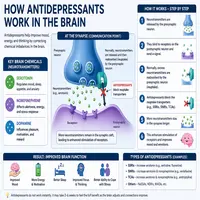
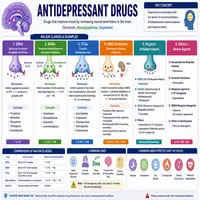
Neurotransmitters act as chemical messengers that carry signals between nerve cells. When their levels drop too low, mood regulation becomes difficult, and depressive symptoms often appear. This type of medication corrects the imbalance by blocking the reabsorption, or “reuptake,” of specific chemicals so more of them remain active in the brain. Below is a simplified flowchart showing this process step by step.
Flowchart: How the Medication Works
Step 1: Low neurotransmitter levels detected
        |
        v
Step 2: Medication is taken as prescribed
        |
        v
Step 3: Drug blocks reuptake of serotonin/norepinephrine
        |
        v
Step 4: More neurotransmitters remain in the synaptic gap
        |
        v
Step 5: Nerve signaling gradually improves
        |
        v
Step 6: Mood and emotional balance improve over weeks
This step-by-step model explains why results are not instant. Furthermore, the brain needs time to adapt to the new chemical balance, which is why doctors advise patience during the first month of treatment. Eventually, most patients settle into a stable dose that manages their symptoms with minimal disruption to daily life.
Types of Antidepressant Drugs
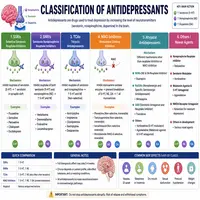
Several categories of medication fall under this broad umbrella, and each one targets the brain slightly differently. The table below summarizes the major classes along with their mechanism and common examples.
| Drug Class | Mechanism of Action | Common Examples |
|---|---|---|
| SSRIs (Selective Serotonin Reuptake Inhibitors) | Block serotonin reuptake | Fluoxetine, Sertraline, Escitalopram |
| SNRIs (Serotonin-Norepinephrine Reuptake Inhibitors) | Block serotonin and norepinephrine reuptake | Venlafaxine, Duloxetine |
| Tricyclic Antidepressants (TCAs) | Block multiple neurotransmitter reuptake pathways | Amitriptyline, Nortriptyline |
| MAOIs (Monoamine Oxidase Inhibitors) | Prevent breakdown of neurotransmitters | Phenelzine, Tranylcypromine |
| Atypical Antidepressants | Varied, unique mechanisms | Bupropion, Mirtazapine |
Generally, SSRIs are considered the first-line option because of their comparatively mild side-effect profile. On the other hand, older classes like TCAs and MAOIs are usually reserved for cases where newer medications fail to work. Similarly, atypical agents offer alternatives for patients who cannot tolerate the sexual or metabolic side effects associated with other classes.
Concept Map: Classification Overview
To simplify the relationships between drug categories, the concept map below organizes each class under one central theme.
| Level | Category | Sub-Category / Example |
|---|---|---|
| 1 | Mood-Regulating Medication | Umbrella term |
| 2 | Reuptake Inhibitors | SSRIs, SNRIs, TCAs |
| 2 | Enzyme Inhibitors | MAOIs |
| 2 | Atypical Agents | Bupropion, Mirtazapine, Trazodone |
| 3 | Clinical Use | Depression, Anxiety, Chronic Pain, OCD |
This layered structure shows how each subclass connects back to the same central goal: restoring healthy neurotransmitter activity within the nervous system.
Common Uses Beyond Depression
Interestingly, doctors prescribe this class of medication for far more than mood disorders alone. For example, doctors often use low-dose tricyclic agents to manage chronic nerve pain and migraines. Similarly, SSRIs and SNRIs frequently treat generalized anxiety disorder, panic disorder, and social phobia. In addition, some formulations assist with premenstrual dysphoric disorder and certain eating disorders. Meanwhile, bupropion is sometimes prescribed to support smoking cessation because of its effect on dopamine pathways. As a result, physicians increasingly view this class of medication as a flexible tool rather than a single-purpose treatment limited to one diagnosis.
Side Effects and Precautions
Like all medications, these drugs carry potential side effects that vary by class and individual. Common reactions include nausea, weight changes, fatigue, and mild sexual dysfunction. Occasionally, patients also report dizziness, dry mouth, or sleep disturbances during the initial adjustment period. Therefore, doctors usually start with a low dose and gradually increase it while monitoring the patient’s response closely.
Importantly, abruptly stopping this medication can trigger withdrawal-like symptoms known as discontinuation syndrome. Consequently, tapering off under medical supervision is strongly recommended for anyone wishing to stop treatment. Additionally, certain drug combinations, especially involving MAOIs, can cause dangerous interactions, so patients should always disclose their full medication history to their prescriber before starting anything new.
Choosing the Right Medication
Selecting the correct treatment depends on several factors, including the patient’s specific symptoms, medical history, and tolerance for side effects. Typically, a psychiatrist evaluates these variables before recommending a starting drug. Afterward, regular follow-up appointments help track progress and adjust dosage as needed over time. Sometimes, patients must try more than one option before finding the best fit, since individual brain chemistry varies widely from person to person. Nonetheless, most people eventually find a treatment plan that meaningfully improves their quality of life and daily functioning.
Age, pregnancy status, and existing health conditions also influence which option a doctor recommends. For instance, older adults often receive lower starting doses because their bodies metabolize medication more slowly. Meanwhile, pregnant patients require special consideration, since certain drug classes carry a higher risk profile during pregnancy than others. Genetic testing has also become a useful tool in some clinics, helping predict how a patient might respond to a specific formulation before treatment even begins. Ultimately, this personalized approach reduces trial and error while improving the odds of a successful outcome on the first attempt.
Conclusion
Antidepressant drugs play a vital role in modern mental health treatment by helping restore chemical balance in the brain. From SSRIs to MAOIs, each class offers a distinct approach suited to different patient needs. Although these medications require patience and careful monitoring, they have transformed the outlook for millions living with depression and related conditions. Ultimately, working closely with a healthcare provider ensures the safest and most effective use of treatment, paving the way toward long-term emotional stability and a better overall quality of life.
Frequently Asked Questions
Most people notice initial improvements within two to four weeks, although full benefits may take up to six weeks or longer to appear.
No, they are not considered addictive in the traditional sense. However, stopping them suddenly can cause discontinuation symptoms, so doctors recommend a gradual taper instead.
Sometimes, but certain combinations, particularly with MAOIs, can be dangerous. Always consult a doctor before mixing any medications together.
Generally, most side effects are temporary and resolve once the body adjusts or the medication is changed under medical guidance.
For mild cases, therapy and lifestyle changes may help; however, moderate to severe depression often requires medication alongside these approaches for the best results.