Epidemiology of Gingival and Periodontal Diseases
Gum disease touches billions of people worldwide. Yet many patients never learn how common it truly is. That is where the epidemiology of gingival and periodontal diseases comes in. This field studies who gets gum disease, how often, and why. It also tracks patterns across age, region, and lifestyle. In this article, we explore what the numbers reveal. You will find two tables, a simple flowchart, and answers to common questions.
What Epidemiology Tells Us About Gum Health
Epidemiology sounds technical, but the idea is simple. Researchers count cases. Then they look for patterns. Who develops gingivitis first? Which patients progress to periodontitis? And which groups face the highest risk overall? Answering these questions shapes public health policy. It also guides how dentists screen and treat patients.
These studies rely on large populations. Some track thousands of people for decades. Others survey entire countries in a single year. Either way, the goal stays the same. Researchers want a clear picture of gum disease across the globe. Consequently, dentists gain better tools for prevention.
Numbers also reveal inequality. Some communities carry a much heavier burden than others. Income, access to care, and education all play a role. Therefore, epidemiology does more than count disease. It highlights where help is needed most. Understanding these patterns helps everyone, from researchers to everyday patients like you.
Gingivitis: A Nearly Universal Condition
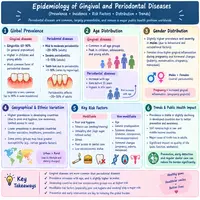
Gingivitis affects most people at some point. Studies suggest that a majority of adults show some sign of gum inflammation. Even children and teenagers are not immune. Puberty brings hormonal shifts that can worsen gum sensitivity. Because of this, gingivitis often starts early in life.
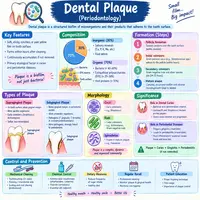
Plaque remains the main driver. Bacteria build up along the gumline within days. Without regular brushing and flossing, inflammation follows quickly. However, gingivitis can reverse with good care. That single fact makes early detection so valuable.
Certain groups face higher gingivitis rates. Pregnant women often notice more bleeding and swelling. Smokers may show less visible redness. That happens because smoking reduces blood flow. Yet their tissue damage can still be severe. People with poorly controlled diabetes also face greater inflammation. Recognizing these patterns helps dentists target prevention where it matters most.
Periodontitis: How Common Is It Really?
Periodontitis, the more serious form, affects a smaller but still substantial share of adults. Global estimates suggest that severe periodontitis ranks among the most common health conditions worldwide. That number surprises many patients. Unlike a cold or headache, gum disease often develops silently.
Severity varies widely by region and population. Some countries report much higher rates of severe disease than others. Meanwhile, mild to moderate cases appear almost everywhere. Age plays a major role too. Prevalence climbs steadily after age 30 and peaks in older adults.
Interestingly, periodontitis does not affect everyone equally, even within similar age groups. Genetics influence susceptibility. Lifestyle factors matter just as much. Access to dental care shapes outcomes significantly. As a result, two people with identical brushing habits can have very different outcomes. The table below summarizes typical prevalence patterns by age group.
| Age Group | Gingivitis Prevalence | Periodontitis Prevalence (Moderate to Severe) |
|---|---|---|
| Children and teens | Common, especially during puberty | Rare |
| Young adults (20s–30s) | Very common | Low to moderate |
| Middle-aged adults (40s–50s) | Common | Moderate to high |
| Older adults (60+) | Common | High |
Risk Factors That Shape the Numbers
Epidemiologists study risk factors closely, since they explain why prevalence varies. Smoking stands out as one of the strongest predictors of severe disease. Smokers face a much higher risk than non-smokers, and heavy smokers fare worse still. Fortunately, quitting lowers that risk over time.
Diabetes also plays a major role. Poorly controlled blood sugar fuels inflammation throughout the body, including the gums. In turn, gum infection can make blood sugar harder to control. This two-way relationship makes management especially important for diabetic patients.
Socioeconomic factors matter enormously too. Limited access to dental care often means delayed diagnosis. Lower income frequently correlates with higher disease rates. Education about oral hygiene also influences outcomes. Additionally, genetics account for a meaningful share of individual risk. Still, lifestyle plays the larger part for most people. The next table highlights the major risk factors researchers track.
| Risk Factor | Effect on Periodontal Disease |
|---|---|
| Smoking | Significantly increases risk and severity |
| Diabetes | Raises inflammation and slows healing |
| Poor oral hygiene | Allows plaque and bacteria to accumulate |
| Genetics | Increases susceptibility in some individuals |
| Low socioeconomic status | Limits access to preventive care |
| Stress | Weakens immune response over time |
| Age | Cumulative exposure raises risk with time |
How Prevalence Is Measured
Researchers cannot examine every person on Earth. Instead, they study representative samples. National health surveys often include a dental exam component. Trained examiners measure pocket depth and attachment loss. They also record bleeding points and plaque scores.
Sample size matters greatly here. Larger samples produce more reliable estimates. Smaller studies can still offer useful local insight, though. Researchers also standardize their exam methods. This consistency allows comparison between different countries and time periods.
Self-reported surveys offer another data source. Patients answer questions about bleeding gums or loose teeth. These surveys are faster and cheaper than clinical exams. However, they tend to underestimate true disease levels. Combining both methods gives the clearest overall picture.
Global and Regional Patterns
Gum disease does not distribute evenly across the world. Some regions report notably higher rates of severe periodontitis. Differences in diet, tobacco use, and healthcare access help explain this variation. Meanwhile, urban and rural areas within the same country can also differ sharply.
Developed nations generally offer better access to preventive dental care. As a result, many patients there catch gingivitis before it progresses. In contrast, regions with limited dental infrastructure often see later diagnoses. Consequently, severe periodontitis becomes more common in those areas.
Cultural habits matter as well. Tobacco and betel nut use, common in some regions, significantly raises periodontal risk. Meanwhile, diets high in sugar and low in fiber contribute to plaque buildup everywhere. Public health campaigns increasingly target these specific regional patterns. Understanding local data helps clinics focus limited resources where they matter most.
How Researchers Track These Patterns: A Simple Flowchart
Population studies follow a fairly consistent process. The chart below shows the typical path from data collection to public health action.
     Select a representative population sample
                     |
                     v
   Conduct clinical exams (probing, X-rays)
                     |
                     v
   Record gingivitis and periodontitis cases
                     |
                     v
   Gather lifestyle and health background data
        (smoking, diabetes, income, age)
                     |
                     v
        Analyze patterns across groups
                     |
                     v
   Identify high-risk populations and regions
                     |
                     v
   Guide public health policy and prevention
                     |
                     v
     Improve screening and community programs
Trends Over Recent Decades
Long-term data reveals encouraging trends in some areas. Severe periodontitis rates have declined slightly in several developed nations. Better public awareness and preventive care likely explain part of this shift. Fluoride use and modern hygiene products have also improved baseline oral health.
Even so, an aging global population offsets some of this progress. People are keeping their natural teeth longer than previous generations. More retained teeth mean more surfaces at risk for disease. Therefore, total case numbers can rise even as individual risk falls.
Emerging economies show a different pattern. Rapid dietary changes, including more sugar intake, have increased plaque-related disease in some regions. Meanwhile, growing access to dental care is beginning to offset that trend. Tracking these shifts helps researchers predict future needs and target resources effectively.
Why These Numbers Matter for You
Statistics might feel distant, yet they shape real decisions. Dentists use prevalence data to decide how often patients need checkups. Public health officials use it to design school and community programs. Insurance companies reference it when setting coverage policies.
On a personal level, knowing your risk factors helps you act early. If you smoke or manage diabetes, your risk sits above average. Regular checkups become even more important in that case. Likewise, if severe gum disease runs in your family, mention it to your dentist.
Awareness also drives better habits. When patients understand how common gum disease truly is, they take prevention more seriously. Simple daily habits, brushing, flossing, and routine visits, make a measurable difference. Ultimately, the data exists to help you, not just researchers.
Conclusion
The epidemiology of gingival and periodontal diseases reveals a clear pattern. Gingivitis touches nearly everyone at some point. Periodontitis affects a smaller, but still significant, share of adults worldwide. Age, smoking, diabetes, genetics, and access to care all shape who develops severe disease. As we have seen, these patterns vary widely across regions and populations. Understanding where you fit into this picture empowers better choices. Regular dental visits remain your best defense. So do honest conversations about risk factors. Consistent home care matters too, wherever you live.
Frequently Asked Questions
Gingivitis is far more common and affects most adults at some point. Periodontitis is the more advanced form. It affects a smaller, but still significant, share of the population.
Yes. Prevalence rises steadily after age 30. It peaks among older adults. Cumulative plaque exposure and other risk factors build up over time.
Smoking reduces blood flow to the gums and weakens the immune response. This combination allows infection to progress further before symptoms become obvious.
Yes. Rates vary based on diet, tobacco use, and access to dental care. Regions with limited preventive care often report higher rates of severe disease.
Absolutely. Knowing your personal risk factors helps. Smoking and diabetes are common examples. This awareness helps you and your dentist plan targeted prevention.