Periodontal Microbiology: The Bacteria Behind Gum Disease
Your mouth holds an entire hidden world. Hundreds of bacterial species live there quietly. Most cause no harm at all. However, a small group can trigger serious gum damage. That is the focus of periodontal microbiology. This field studies which bacteria live in your mouth and how they behave. In this article, we explore how these microbes form communities. We also look at how balance shifts and drives disease. You will find two tables, a simple flowchart, and five common questions answered.
The Mouth as a Microbial Ecosystem
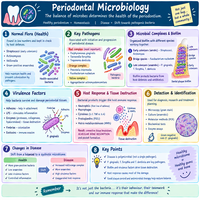
Your mouth is not sterile, and it never should be. Trillions of bacteria call it home. Most live in peaceful balance with your body. In fact, many helpful species protect you from harmful invaders. This balance is called a healthy oral microbiome.
Different mouth surfaces host different communities. Teeth, tongue, cheeks, and gums each favor certain species. Below the gumline, oxygen levels drop sharply. That environment favors different bacteria than the open air above. Consequently, gum disease develops mainly in these low-oxygen pockets.
Balance can shift for many reasons. Diet, hygiene habits, and even stress influence which bacteria thrive. When harmful species multiply, they crowd out protective ones. Understanding this shift helps explain why gum disease develops in the first place. It also explains why prevention focuses so heavily on daily plaque control.
From Plaque to Biofilm: How Bacteria Organize
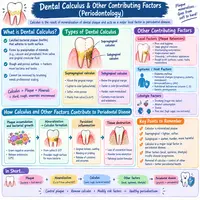
Bacteria rarely float alone in your mouth. Instead, they cluster into organized communities called biofilms. You likely know this sticky layer as plaque. Within hours of brushing, early bacteria begin attaching to your teeth.
These early colonizers pave the way for others. They release molecules that attract different bacterial species. Layer by layer, the community grows more complex. Eventually, the biofilm becomes a structured, cooperative colony. Bacteria inside share nutrients and even exchange genetic material.
This structure protects bacteria from your immune system. It also shields them from mouthwash and antibiotics. That is why mechanical removal, brushing and flossing, remains so essential. Chemical products alone often cannot penetrate a mature biofilm effectively. Disrupting the biofilm physically stays the most reliable defense.
Key Bacteria Linked to Periodontal Disease
Not all oral bacteria pose equal risk. Researchers have identified certain species strongly linked to gum disease. Scientists often group these species by how consistently they appear in diseased sites. The table below highlights some of the most studied bacteria in periodontal disease.
| Bacterial Species | Role in Disease | Notable Feature |
|---|---|---|
| Porphyromonas gingivalis | Major driver of chronic periodontitis | Disrupts immune signaling |
| Tannerella forsythia | Common in deep periodontal pockets | Often found alongside P. gingivalis |
| Treponema denticola | Associated with tissue invasion | Spiral-shaped and highly mobile |
| Aggregatibacter actinomycetemcomitans | Linked to aggressive, early-onset cases | Produces tissue-damaging toxins |
| Fusobacterium nucleatum | Bridges early and late colonizers | Connects different bacterial groups together |
These species rarely act alone. Instead, they interact within the biofilm community. Some support each other’s growth. Others compete for space and nutrients. This complex web ultimately determines whether gum tissue stays healthy or becomes inflamed.
How Researchers Study These Bacteria
Studying oral bacteria is not simple. Many species cannot grow easily in a lab dish. For decades, this limited what researchers could identify. Modern DNA sequencing changed that completely.
Now scientists can identify bacteria directly from a plaque sample. They no longer need to culture every species first. This approach revealed hundreds of species once hidden from view. It also showed how species interact within the biofilm community.
Researchers also study bacterial genes, not just bacterial identity. Some genes control toxin production. Others control how bacteria attach to tissue. This genetic detail helps explain why certain strains cause more damage than others. Ongoing research continues to refine our understanding of these complex communities.
How Bacteria Trigger Gum Inflammation
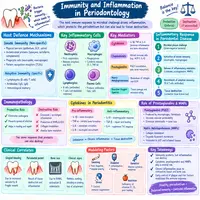
Bacteria alone do not cause all the damage. Your immune system also plays a major role. When harmful bacteria accumulate, your body responds with inflammation. This response aims to protect you. Unfortunately, it can also damage nearby tissue.
Certain bacteria release toxins that irritate gum tissue directly. Others trigger your immune cells to release inflammatory chemicals. These chemicals fight infection, yet they can also break down collagen and bone. Over time, this cycle destroys the very structures that hold your teeth in place.
Genetics influence how strongly your body reacts. Some people mount an aggressive immune response to relatively few bacteria. Others tolerate higher bacterial loads with milder inflammation. This variation helps explain something important. Disease severity can differ widely between patients with similar hygiene habits.
The Shift From Health to Disease: A Simple Flowchart
The path from a healthy mouth to periodontitis follows a fairly predictable pattern. Below, a simple chart shows this progression step by step.
      Healthy, balanced oral microbiome
                    |
                    v
   Plaque accumulates along the gumline
                    |
                    v
    Early bacteria attach and multiply
                    |
                    v
  Biofilm matures; anaerobic bacteria increase
                    |
                    v
   Harmful species dominate the community
   (P. gingivalis, T. forsythia, and others)
                    |
                    v
    Immune system triggers inflammation
                    |
                    v
   Gum tissue and bone begin breaking down
                    |
                    v
        Periodontal pockets deepen
                    |
                    v
   Without treatment, disease progresses further
Factors That Disrupt Microbial Balance
Several factors push the oral microbiome toward disease. Poor oral hygiene tops the list, since it allows plaque to mature undisturbed. Smoking also alters the bacterial environment significantly. It reduces oxygen and blood flow, favoring harmful anaerobic species.
Diet plays a role too. Diets high in sugar feed certain bacteria more than others. This imbalance can shift the microbial community over time. Hormonal changes, such as pregnancy, also alter gum tissue and bacterial behavior. Medical conditions like diabetes weaken immune defenses against bacterial buildup as well.
Stress deserves mention too, since it affects immune function broadly. Reduced saliva flow, from certain medications or dehydration, removes a natural bacterial rinse. Because saliva contains antibacterial compounds, less saliva often means more bacterial buildup. Recognizing these factors helps patients and dentists target prevention more effectively.
Microbiology and Peri-Implant Disease
Dental implants face their own microbial challenges. Unlike natural teeth, implants lack a natural periodontal ligament. This difference changes how surrounding tissue responds to bacteria. Biofilms still form on implant surfaces, though, much like they do on teeth.
Peri-implant mucositis develops when bacteria accumulate around an implant. At this early stage, only the gum tissue becomes inflamed. Left unchecked, this can progress to peri-implantitis, which involves bone loss. Implants respond quickly to bacterial buildup. So prevention matters just as much here as with natural teeth.
Patients with implants need consistent home care and regular professional maintenance. Special brushes and floss designed for implants help reach hard-to-clean areas. Routine checkups let your dentist catch early bacterial buildup before it threatens the implant. Protecting your implant follows the same core principle: keep harmful bacteria from taking hold.
How This Knowledge Shapes Treatment
Understanding the bacteria behind gum disease directly improves patient care. Scaling and root planing physically disrupt the biofilm below the gumline. This mechanical approach remains the foundation of periodontal treatment. Without removing the biofilm, chemical treatments alone rarely succeed long term.
In some cases, dentists add antimicrobial rinses or localized antibiotics. These tools target bacteria that mechanical cleaning cannot fully reach. However, antibiotics work best as a supplement, not a replacement, for cleaning. Overuse can also disrupt the balance of helpful bacteria elsewhere in the body.
Emerging research explores ways to restore healthy bacterial balance directly. Probiotic approaches aim to boost protective species rather than simply killing harmful ones. While still developing, this research offers promising future treatment directions. For now, consistent hygiene and professional care remain the most reliable tools available.
Conclusion
Periodontal microbiology reveals that gum disease starts with an ecosystem out of balance. Harmless bacteria coexist peacefully in a healthy mouth. Once biofilms mature and harmful species take hold, inflammation and tissue breakdown follow. As we have seen, smoking, diet, and stress can all tip that balance further. Fortunately, regular brushing, flossing, and professional cleanings disrupt harmful biofilms. That keeps the ecosystem in check. Understanding the microscopic world in your mouth makes protection easier. It happens one daily habit at a time.
Frequently Asked Questions
No. Most oral bacteria are harmless or even beneficial. Only a small subset of species is strongly linked to gum disease.
Mature plaque forms a protective biofilm structure. This structure shields bacteria from chemicals, so mechanical brushing and flossing remain essential.
Yes. Diets high in sugar feed certain harmful bacteria more readily. Over time, this can shift the bacterial balance toward disease.
Genetics influence how the immune system responds to bacteria. Some people react more strongly, leading to more inflammation and tissue damage.
Research into oral probiotics continues to develop. While promising, they work best as a supplement. Standard hygiene and professional care still come first.