Bacterial Genetics and Pathogenicity: Mechanisms & Disease Link
Bacteria are simple organisms, yet their genetic systems are remarkably complex. Their genes determine how they grow, survive, and cause disease. Understanding bacterial genetics and pathogenicity helps explain why some bacteria remain harmless while others cause serious infections.
This article breaks down key genetic mechanisms in bacteria. It also explores how these mechanisms link to disease-causing ability. Additionally, it covers gene transfer, virulence factors, and clinical relevance. By the end, you will have a clear picture of this important pathology topic.
Understanding Bacterial Genetics
Bacterial genetics refers to the study of genes within bacterial cells. Unlike humans, bacteria carry genetic material differently. Their main genome exists as a single circular chromosome. However, many bacteria also carry extra genetic elements called plasmids.
Plasmids are small, circular DNA pieces separate from the chromosome. They often carry genes for antibiotic resistance. Similarly, they may carry genes linked to toxin production. Therefore, plasmids play a major role in bacterial adaptability.
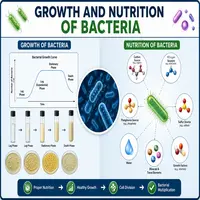
Bacteria also reproduce quickly through binary fission. This rapid division allows fast genetic changes across populations. Meanwhile, mutations occur naturally during DNA replication. As a result, bacterial populations can evolve new traits within a short time.
These genetic features explain why bacteria adapt so efficiently. Consequently, this adaptability connects directly to bacterial genetics and pathogenicity in clinical settings.
How Bacteria Exchange Genetic Material
Bacteria do not reproduce sexually, yet they still share genes. This sharing happens through specific gene transfer methods. Three main processes make this possible.
First, transformation allows bacteria to absorb free DNA from their environment. Second, transduction involves viruses called bacteriophages transferring DNA between cells. Third, conjugation allows direct DNA transfer through a physical connection.
Below is a simple flowchart showing these three mechanisms:
Genetic Material Exchange in Bacteria
                |
   -----------------------------
   |            |               |
Transformation Transduction  Conjugation
(DNA uptake    (Virus-mediated (Direct cell-to-cell
from environment) DNA transfer)  DNA transfer)
   |               |               |
   v               v               v
      New Genetic Traits Acquired
                |
                v
   Possible Increase in Virulence
        or Antibiotic Resistance
These processes explain how resistance genes spread rapidly. Furthermore, they show how harmless bacteria sometimes gain disease-causing traits.
What Makes Bacteria Pathogenic?
Pathogenicity refers to a bacterium’s ability to cause disease. Several factors determine this ability. Together, these factors are called virulence factors.
Firstly, adhesins help bacteria attach to host tissues. Without attachment, infection cannot begin properly. Secondly, toxins damage host cells directly. Exotoxins are secreted proteins, while endotoxins release from cell walls during bacterial death.
Thirdly, capsules protect bacteria from immune attack. This protective layer prevents white blood cells from destroying the bacteria easily. Fourthly, enzymes like coagulase and hyaluronidase help bacteria spread through tissue.
The table below summarizes these key virulence factors clearly.
| Virulence Factor | Function | Example Bacteria |
|---|---|---|
| Adhesins | Attach bacteria to host cells | E. coli, Streptococcus |
| Exotoxins | Damage host cells directly | Clostridium tetani |
| Endotoxins | Trigger strong immune response | E. coli, Salmonella |
| Capsules | Resist immune destruction | Streptococcus pneumoniae |
| Enzymes | Aid tissue invasion and spread | Staphylococcus aureus |
Each factor contributes uniquely to disease severity. Nevertheless, most infections involve multiple virulence factors working together.
The Link Between Genetics and Disease
Genetic changes directly influence pathogenic potential. For instance, a bacterium gaining a toxin gene may suddenly become dangerous. Similarly, resistance genes can make treatment far more difficult.
This connection highlights why researchers study bacterial genetics and pathogenicity together. Moreover, tracking genetic changes helps predict outbreak risks. Public health teams use this information to control disease spread effectively.
Additionally, genetic studies guide vaccine and antibiotic development. Scientists identify key virulence genes as treatment targets. Consequently, this research saves lives by improving medical responses.
Clinical and Public Health Importance
Hospitals rely on genetic testing to identify dangerous bacterial strains. This testing helps guide correct antibiotic choices. Without it, treatment failures become more common.
Furthermore, tracking gene transfer helps control hospital-acquired infections. Health officials monitor resistance genes across patient populations. As a result, outbreaks can be contained more quickly.
Public health agencies also use genetic data for surveillance. They track new pathogenic strains worldwide. Therefore, understanding these genetic mechanisms and pathogenicity remains essential for disease prevention.
Conclusion
Bacterial genetics and pathogenicity are closely connected fields within pathology. Genetic mechanisms like mutation and gene transfer shape how bacteria behave. Meanwhile, virulence factors determine how effectively bacteria cause disease.
Understanding these processes helps doctors treat infections more effectively. It also supports public health efforts to control outbreaks and resistance spread. Ultimately, this knowledge remains central to modern microbiology and patient care.
As research continues, scientists will uncover new genetic pathways linked to disease. This ongoing work will strengthen future treatment strategies significantly.
Frequently Asked Questions
It is the study of genetic material within bacteria, including chromosomes, plasmids, and gene expression patterns that influence bacterial behavior.
Bacteria become pathogenic through virulence factors like toxins, adhesins, and capsules. These features allow bacteria to invade tissues and evade immune defenses.
The three methods are transformation, transduction, and conjugation. Each allows bacteria to acquire new genetic traits from other organisms.
It helps identify resistance genes and virulence factors. This information guides antibiotic selection and supports outbreak control efforts.
Yes, bacteria can gain new traits through mutation or gene transfer. This process can turn harmless strains into dangerous pathogens.