Blood Groups: A Complete Physiology Guide
Not all blood is the same. Beneath its red color lies a complex system of proteins and sugars that determine compatibility between donors and recipients. This system is known as blood groups.
Understanding this topic matters far beyond the classroom. Doctors rely on it daily for transfusions, surgeries, and even pregnancy care. In this guide, we will explore how blood groups form, why they differ, and how they affect human health.
What Are Blood Groups?
Blood groups refer to the classification of blood based on specific antigens present on the surface of red blood cells. These antigens are inherited traits, meaning they are passed down from parents to children.
The most well-known classification system is the ABO system, alongside the Rh factor. Together, these two systems determine a person’s overall blood type. For instance, someone might be classified as A positive, B negative, or O positive, depending on which antigens are present.
Because these antigens can trigger immune reactions, matching blood groups correctly becomes essential during transfusions. Otherwise, the immune system may attack incompatible blood cells, leading to dangerous complications.
The ABO Blood Group System
The ABO system remains the most widely recognized method of classification. It divides blood into four main types: A, B, AB, and O. Each type is defined by the presence or absence of A and B antigens on red blood cells.
Interestingly, plasma also contains antibodies against the antigens a person lacks. For example, someone with type A blood carries anti-B antibodies in their plasma. Meanwhile, type O blood contains both anti-A and anti-B antibodies.
Below is a simple summary of this system:
| Blood Type | Antigen Present | Antibody Present |
|---|---|---|
| A | A antigen | Anti-B antibody |
| B | B antigen | Anti-A antibody |
| AB | Both A and B | Neither antibody |
| O | Neither antigen | Both antibodies |
This table clarifies why type O individuals are often called universal donors, while type AB individuals are considered universal recipients.
The Rh Factor and Its Role
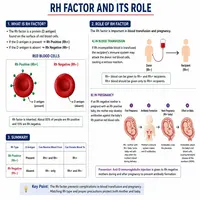
Alongside the ABO system, the Rh factor adds another layer of classification. This factor depends on the presence or absence of the D antigen on red blood cells.
People with this antigen are classified as Rh positive, while those without it are Rh negative. Roughly eighty-five percent of the global population carries the Rh positive trait, though this varies slightly across regions.
This factor becomes especially important during pregnancy. If an Rh negative mother carries an Rh positive baby, her immune system may produce antibodies against the baby’s blood cells. Consequently, doctors closely monitor Rh status throughout pregnancy to prevent complications.
How Blood Groups Are Inherited
Blood type inheritance follows genetic principles passed down from both parents. Each parent contributes one allele, and the combination determines the child’s final blood type.
Here is a simplified flowchart showing this inheritance pattern:
Parent 1 Allele (A, B, or O)
        +
Parent 2 Allele (A, B, or O)
        ↓
Combination of Alleles
        ↓
Determination of Child's Blood Type
        ↓
Final Classification (A, B, AB, or O)
This flowchart shows why siblings can sometimes have completely different blood types, depending on which alleles they inherit from each parent.
Additionally, the O allele is recessive, meaning it only appears when no dominant A or B allele is present. Therefore, predicting blood type requires understanding both parents’ genetic makeup.
Clinical Importance in Blood Transfusion
Matching blood groups correctly remains critical during transfusions. If incompatible blood is given, the recipient’s immune system may attack the donor cells, causing a severe reaction.
For this reason, hospitals perform cross-matching tests before every transfusion. These tests confirm compatibility between donor and recipient blood, reducing the risk of transfusion reactions.
The table below highlights compatible donor-recipient combinations:
| Recipient Type | Compatible Donor Types |
|---|---|
| A | A, O |
| B | B, O |
| AB | A, B, AB, O |
| O | O only |
This table demonstrates why understanding blood groups saves lives, especially during emergency transfusions.
Blood Groups and Pregnancy
Pregnancy adds another layer of importance to this topic. When Rh incompatibility occurs between mother and baby, doctors often administer a special injection called Rh immunoglobulin. This treatment prevents the mother’s immune system from attacking future pregnancies.
Without this intervention, subsequent pregnancies could face serious risks, including a condition called hemolytic disease of the newborn. Therefore, prenatal screening for blood groups has become a standard part of modern maternal care.
Why Understanding Blood Groups Matters
Beyond hospitals and clinics, this knowledge plays a role in forensic science, paternity testing, and even genetic research. Since blood type remains constant throughout life, it serves as a reliable biological marker in many fields.
Moreover, ongoing research continues to explore connections between blood groups and disease susceptibility. Some studies suggest certain types may carry slightly higher risks for specific conditions, though more research is still needed.
Therefore, staying updated on this topic remains valuable for both medical professionals and curious learners alike.
Conclusion
Blood groups form a fascinating and essential part of human physiology. From transfusions to pregnancy care, this classification system protects patients and saves lives daily. The ABO and Rh systems work together, creating a framework that guides safe medical practice worldwide.
For students, understanding this topic builds a strong foundation in physiology and immunology. For healthcare workers, recognizing compatibility rules remains critical for patient safety. Ultimately, this small biological detail carries enormous significance across medicine and daily life.
Frequently Asked Questions
They are classifications of blood based on specific antigens present on red blood cells, mainly categorized through the ABO and Rh systems.
Type O blood lacks A and B antigens, making it generally safe for transfusion to recipients of any blood type.
An Rh negative mother may develop antibodies against an Rh positive baby’s blood cells, potentially affecting future pregnancies without treatment.
Each parent passes one allele to their child, and the combination of these alleles determines the final blood type.
Cross-matching confirms compatibility between donor and recipient blood, helping prevent severe immune reactions during transfusion